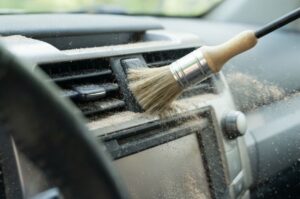
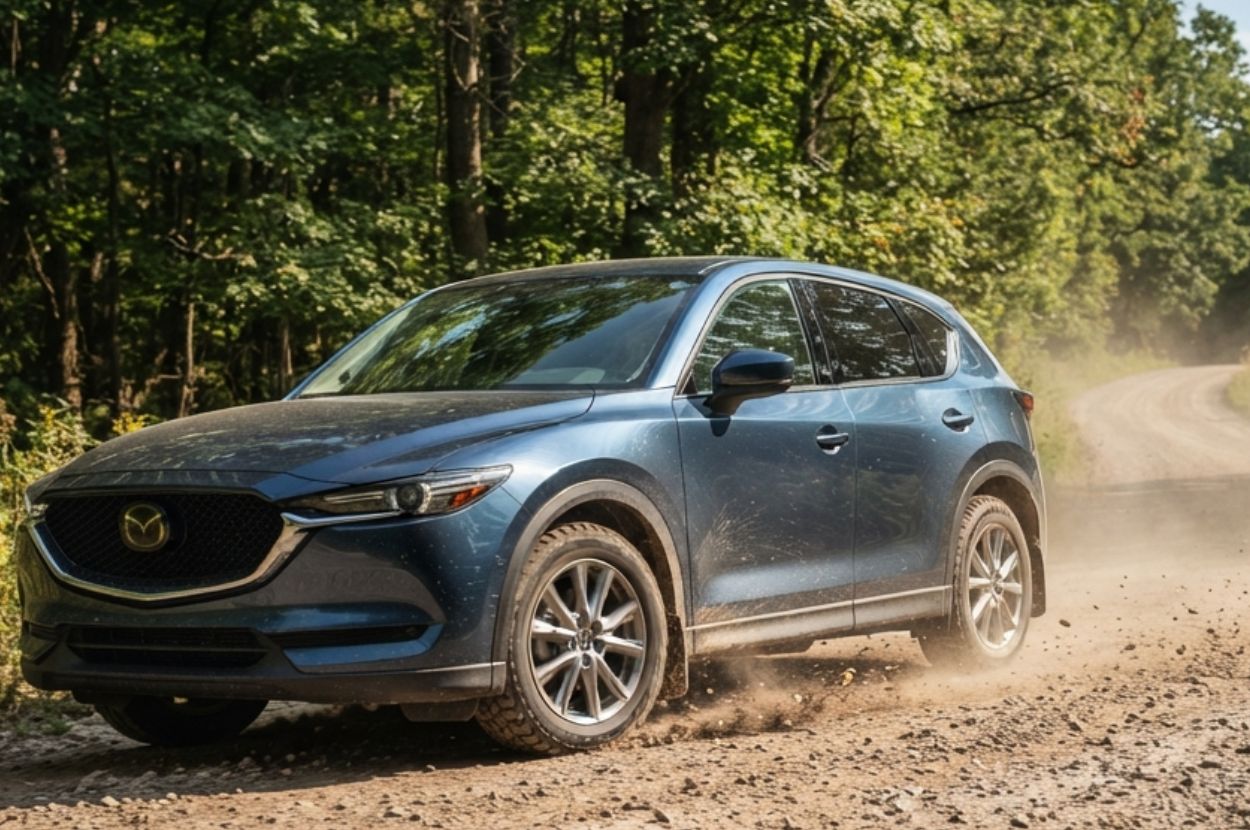
Head a few minutes outside downtown Brighton in almost any direction, and the pavement runs out. Brighton is full of gravel and dirt roads connecting subdivisions to the main routes, and if your commute, your kid’s school run, or your favorite shortcut to the lake takes you down one of them, your paint is picking up damage you might not notice until it’s already done.
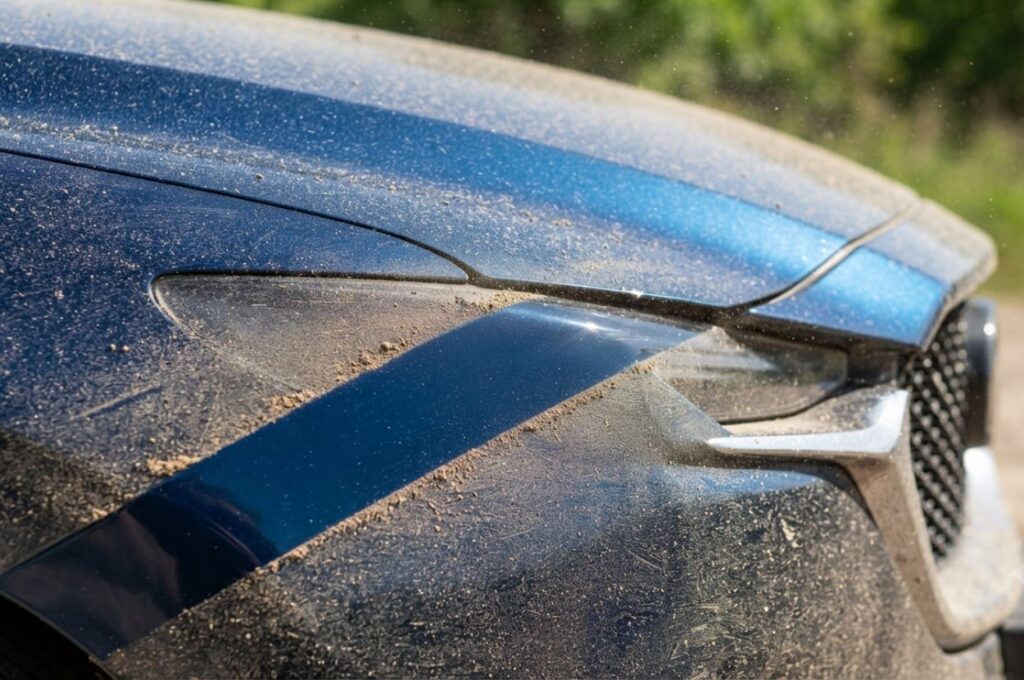
Gravel roads don’t just kick up dust. Loose stone chips paint on contact, and the fine dirt film that settles over a car after a dry summer drive works its way into every seam and panel gap.
Left alone, that combination turns into swirl marks, chips, and a dull, gritty finish that no amount of wiping fixes. Here’s the direct answer on protecting your paint, then the specifics on why Brighton’s mix of gravel roads and lake-season dust makes this worth paying attention to.
Protecting Car Paint on Brighton’s Gravel and Dirt Roads
Wash your car regularly, ideally within a few days of any drive on gravel or dirt, since loose dust and stone particles cause more damage the longer they sit against the clear coat. Add a layer of wax or a paint protection film on the front bumper, hood, and mirrors if you regularly drive gravel roads, since those panels take the brunt of kicked-up stone chips from vehicles ahead of you.
Slow down on gravel, both to reduce the force of any stone impacts and to keep your own tires from throwing rocks back at your lower panels. None of this eliminates risk entirely, but together they cut down both chip damage and the fine scratching that comes from dust sitting on unwashed paint.
Why Brighton’s Gravel Roads Are Tough on Your Cars
A lot of the roads feeding into Brighton neighborhoods, especially the ones connecting to subdivisions off the main corridors, are gravel or loosely paved with chip seal that behaves a lot like gravel once it wears. Every vehicle that passes kicks up dust and loose stone, and if you’re following another car on a dry day, you’re driving through a cloud of grit that settles directly onto your hood, windshield, and front bumper.
Dry Michigan summers make this worse, since dust that would normally get knocked down by rain instead builds up on the road surface and gets airborne with every pass. It’s a different kind of wear than city driving, more abrasive and more constant, even if any single drive doesn’t feel dramatic.
Washing Off Dirt-Road Film Before It Bonds to Brighton Car’s Paint
Dust sitting on paint isn’t just cosmetic. Fine particles from dirt roads are often silica-based, meaning they’re genuinely abrasive, and every time wind, rain, or even a light wipe moves that dust across the surface, it creates microscopic scratches.
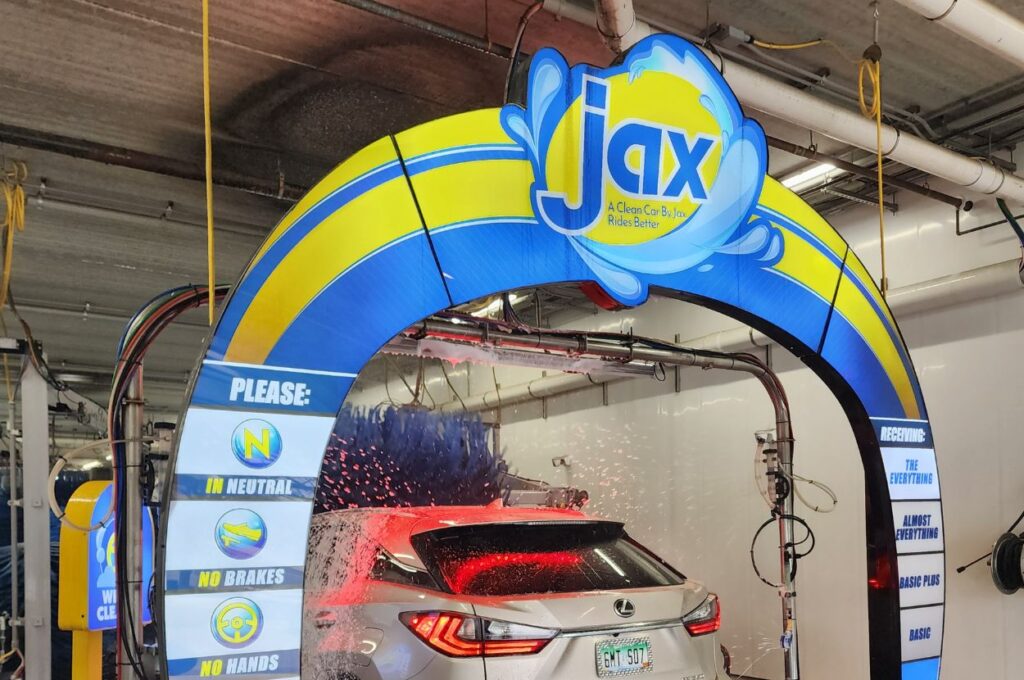
Over months of regular gravel-road driving, those scratches add up to a hazy, swirled look that’s hard to reverse without polishing. Getting the dust off before it accumulates is the simplest fix, and a proper car wash that includes a thorough rinse and contact wash handles this better than a quick hose-down at home, since dried dirt-road dust often needs real agitation and pressure to lift cleanly without dragging grit across the paint.
Protective Coatings Worth Considering for Brighton Gravel Commutes
If gravel roads are a daily part of your route rather than an occasional detour, a physical layer of protection is worth the investment. Paint protection film applied to the front bumper, hood edge, and side mirrors absorbs stone chips instead of your factory paint taking the hit, and it’s a common upgrade for drivers who deal with rural Livingston County roads every day.
Ceramic coating adds a harder surface that resists fine scratching from dust better than wax alone, though it won’t stop a direct stone chip the way film does. Combining both, film on the high-impact areas and coating or wax everywhere else, gives Brighton commuters the most complete protection without covering the entire car in film.
Parking and Driving Habits That Save Your Paint in Brighton
Leaving more following distance behind other vehicles on gravel roads reduces stone chip damage. Most chips come from rocks kicked up by the car ahead, not your own tires.
Slowing down helps because speed increases impact force and kicks up more dust. A slower pace keeps both your paint and windshield clearer during back‑road drives.
Parking away from gravel shoulders at trailheads or lake access points prevents loose stones from scratching your car. These simple habits cost nothing but make a big difference in long‑term paint protection.
Seasonal Timing and Paint Protection Challenges
Gravel roads throw the most dust during dry late‑summer stretches. At the same time, pollen and tree sap settle heavily onto cars in Brighton’s wooded neighborhoods.
That overlap in July and August creates the toughest months for paint. Dust combines with sticky residue, trapping grit against the clear coat.
Staying on top of washing during this period prevents damage from compounding. Waiting for fall rain to rinse things off naturally often leaves you with etched paint that’s harder to fix.
Frequently Asked Questions
How do you protect car paint from gravel and dirt roads?
Wash regularly, ideally within a few days of driving on gravel or dirt, since dust and stone particles cause more damage the longer they sit against the paint. Adding wax, ceramic coating, or paint protection film on high-impact panels like the hood and front bumper adds another layer of defense against chips and fine scratching.
What part of the car takes the most damage from gravel roads?
The front bumper, hood, and side mirrors take the brunt of stone chips kicked up by vehicles ahead of you, while the lower body panels and rocker areas collect the most dust and dirt film over time. Both areas benefit from extra protection if gravel driving is a regular part of your route.
Does dust from dirt roads actually scratch paint?
Yes. Much of that dust is silica-based and genuinely abrasive, and every time it moves across the surface from wind, rain, or wiping, it creates fine scratches. Over months of regular exposure, those scratches build into a hazy, swirled look on the paint.
Is paint protection film worth it for gravel-road commuters?
For drivers who deal with gravel or chip-seal roads daily, film on the hood, front bumper, and mirrors is one of the few things that actually stops a stone chip rather than just reducing wear. It’s a reasonable investment if those roads are a regular part of your commute rather than an occasional detour.
Visit Jax Kar Wash in Brighton Today
If your route in or out of Brighton runs through gravel or dirt roads, don’t let the dust sit and grind into your paint. Stop by Jax Kar Wash in Brighton and get a proper wash that lifts dirt-road film cleanly, before it turns into scratches you can’t just wipe away.