Black paint shows everything. Every speck of dust, every water spot, every faint film of road grime turns into a visible mark the second the sun hits it right. If you drive a dark-colored car in Madison Heights, you already know this is not paranoia; it is just what black paint does.
What makes it worse here specifically is the location. Madison Heights sits along the I-75 industrial corridor, where light industry, warehousing traffic, and near-constant highway travel add a layer of airborne soot and particulate that a purely residential suburb simply does not deal with as much. That grime settles fast, and on black paint, it is impossible to ignore.
So how do you actually keep a black car clean when it is fighting industrial dust, highway film, and Michigan seasons all at once? Here is the direct answer, then the specifics.
How to Keep a Black Car Clean in Madison Heights: The Short Answer
The short answer is that frequency and technique matter more than any single product. Wash a black car more often than you would a lighter color, ideally every one to two weeks along a corridor like I-75; use a pH-balanced soap rather than harsh degreasers that strip protective coatings, dry with a microfiber towel or a touchless system to avoid drag marks, and apply a wax or sealant every couple of months to give grime less to bond to.
Skipping washes to “save time” backfires on black paint specifically, because dust and soot sitting on the surface for weeks is exactly what turns into fine swirl marks the next time it rains or gets wiped.
Consistency beats intensity here. A car washed every two weeks on a normal schedule will look better and hold its finish longer than one that gets an intense deep clean once a season and nothing in between.
What Industrial and Highway Grime Actually Does to a Madison Heights Finish
Airborne grime along a corridor like I-75 is not the same as typical suburban dust. Light industry and warehousing traffic produce fine particulate and occasional oily residue that settles onto parked and moving vehicles alike.
Highway travel adds brake dust, diesel exhaust film, and road spray kicked up by trucks, all of which land on paint and start bonding to the clearcoat within days, especially in humid or rainy stretches.
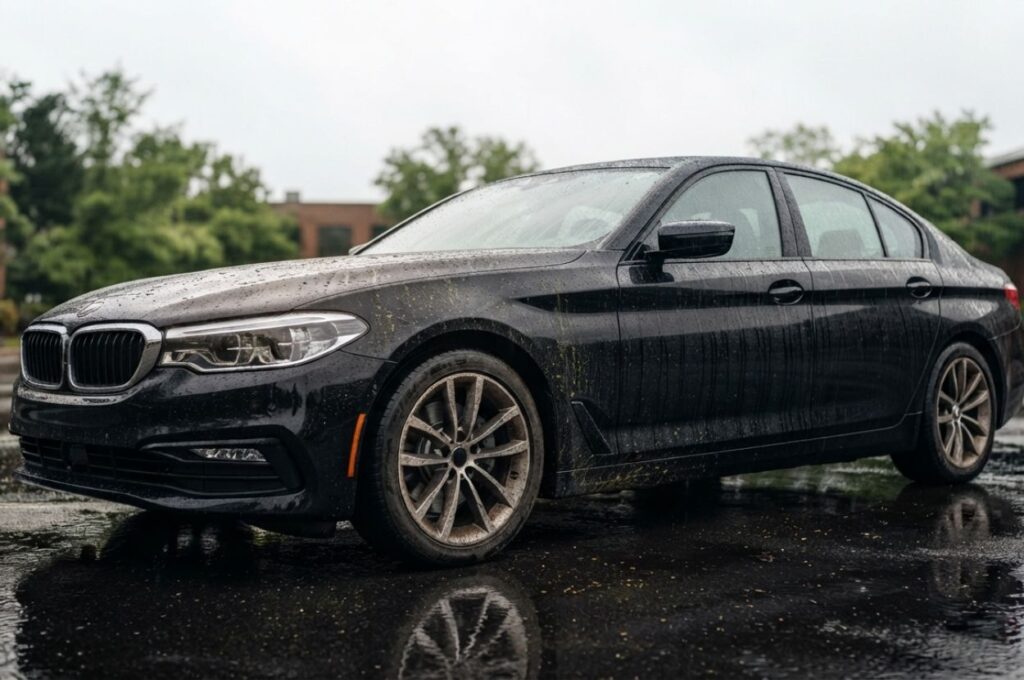
On black paint, this shows up as a hazy, almost matte film long before it would be visible on silver or white. That film is not just dirt sitting loose on top.
Given enough time, it etches lightly into the clearcoat, especially if it mixes with rain and dries in the sun, which is when a simple wash stops being enough, and correction work becomes necessary. Catching it early with regular washing avoids that step entirely.
Why Salt Season Hits Black Cars in Madison Heights Especially Hard
Winter brine is the other half of the equation for anyone driving I-75 through a Michigan winter. Road salt splashes up onto lower panels, wheel wells, and rocker panels, and it dries into a chalky white film that stands out sharply against black paint.
Left alone, that salt residue holds moisture against the metal underneath, which is exactly the condition that starts rust at seams and wheel wells over a full season.
Black cars need underbody and lower-panel rinses more often through salt season than the rest of the vehicle, since that is where brine collects and lingers. A quick weekly rinse of the lower half during a heavy salt stretch, even between full washes, meaningfully cuts down how long that residue sits against the paint and metal.
Building a Wash Routine for Madison Heights That Protects Black Paint Year-Round
A dependable routine beats sporadic deep cleans every time. Aim for a wash every one to two weeks through spring, summer, and fall, and consider bumping that up slightly during heavy salt weeks in winter when brine is being reapplied to the roads constantly.
Pair regular washing with periodic wax or sealant application, since a protected surface sheds grime instead of letting it bond directly to bare clearcoat.
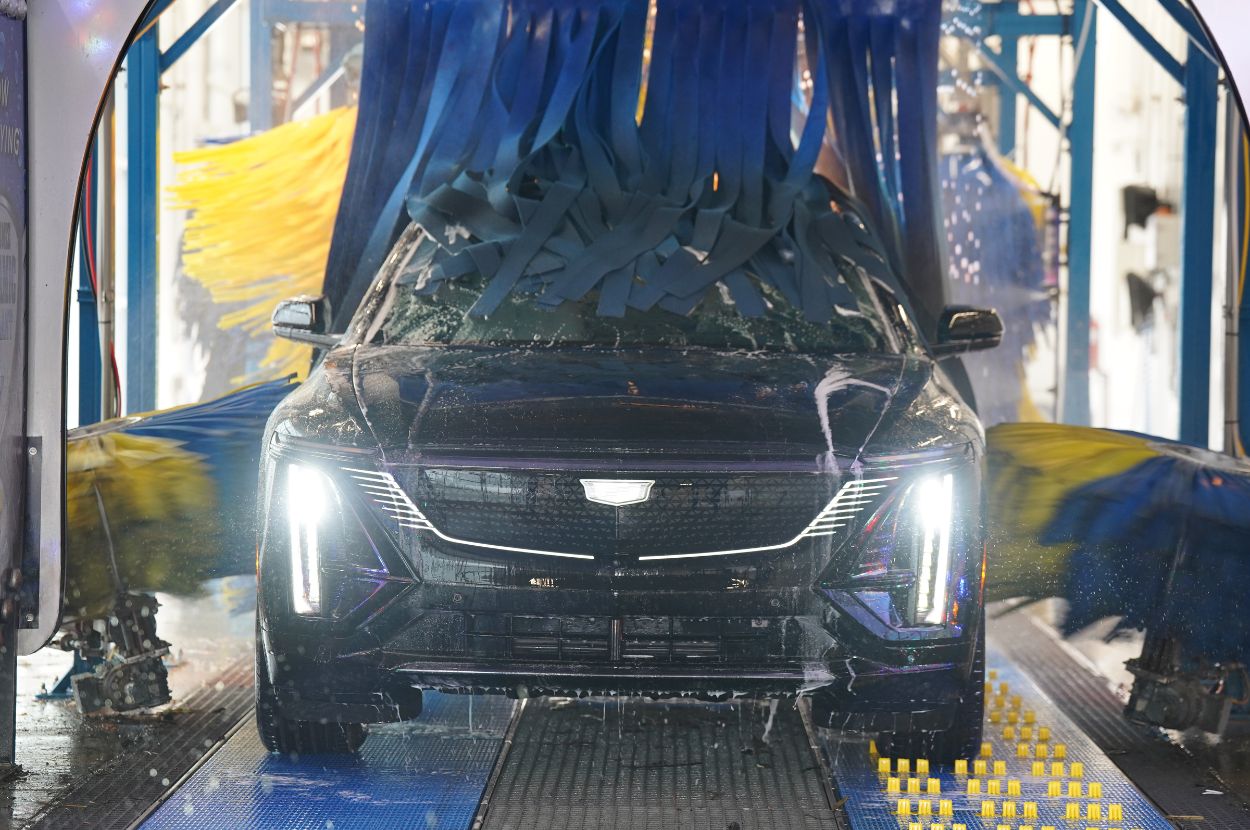
An exterior car wash built for this kind of corridor traffic, with a real pre-soak and gentle soft-cloth or touchless system, handles both the industrial film and the road salt without adding fine scratching on top of the grime you are trying to remove.
That combination, regular visits plus a wash method suited to daily highway exposure, is what actually keeps black paint looking deep and glossy instead of perpetually dusty.
A Few Habits That Make a Real Difference Between Washes
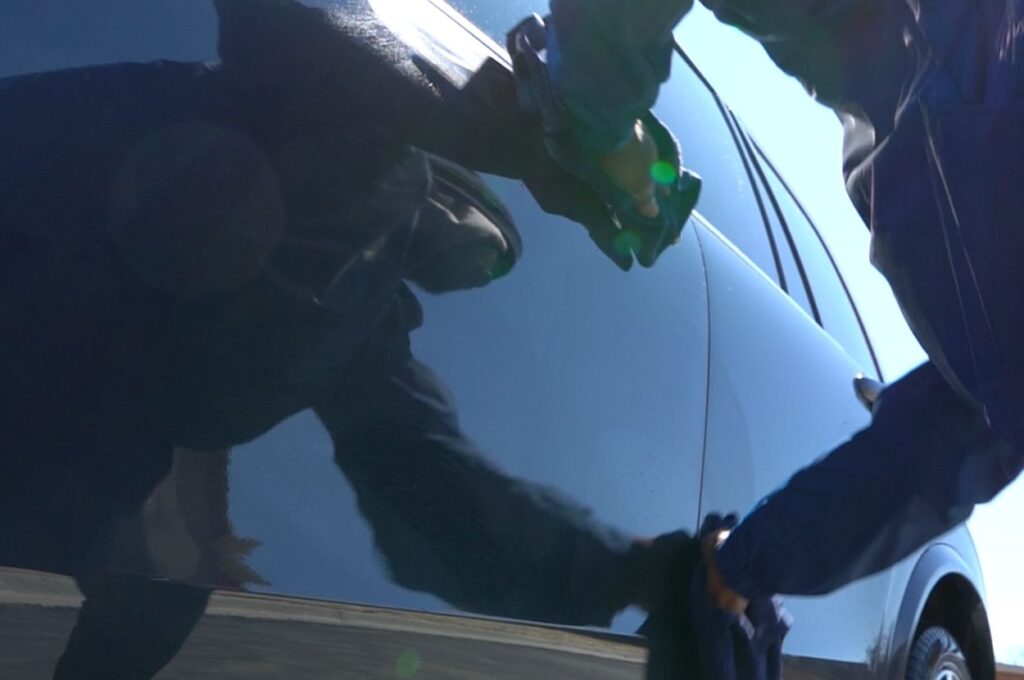
Beyond the wash schedule itself, a handful of small habits stretch the time between visits. Parking undercover when possible reduces both UV fade and the amount of airborne dust that settles overnight.
Keeping a quick-detail spray and a microfiber towel in the trunk lets you knock down light dust or water spots before they have a chance to sit and bond. And avoiding automatic sprinklers with hard well water, which leaves mineral spotting that shows up starkly on black paint, saves a surprising amount of correction work down the line.
None of these habits replace regular washing, but together with a consistent schedule, they are what separate a black car that looks freshly detailed most of the time from one that always looks a shade dustier than it should.
Frequently Asked Questions
How do you keep a black car clean?
Wash it more often than a lighter-colored car, roughly every one to two weeks, using a pH-balanced soap and a drying method that avoids drag marks. Add wax or sealant every couple of months, so grime has less surface to bond to between washes.
How often should I wash a black car in Madison Heights?
Every one to two weeks is a good baseline year-round, with more frequent lower-panel rinses during salt season. The I-75 corridor’s extra soot and highway film mean black paint here needs more frequent attention than the same car would in a purely residential area.
Does industrial dust actually damage paint, or is it just cosmetic?
Both. Industrial and highway grime sits on the surface at first, which is purely cosmetic, but given enough time and the right mix of moisture and heat, it can etch lightly into the clearcoat. Regular washing keeps it from ever reaching that second stage.
What’s the best way to protect black paint from road salt?
Rinse the lower panels and wheel wells more often through winter, since that is where brine collects and lingers longest. A protective wax or sealant applied before salt season also helps keep brine from bonding directly to the paint.
Visit Jax Kar Wash in Madison Heights Today
Black paint needs a wash routine built for daily grime, not an occasional deep clean, and that is exactly what we deliver at Jax Kar Wash in Madison Heights. Our exterior wash system is designed to lift industrial film and road salt without adding fine scratches, so your finish stays deep and glossy instead of perpetually dusty.
Stop in on your regular schedule, or anytime the I-75 corridor in Madison Heights leaves its mark, and let us handle it.