A tunnel car wash pulls off something genuinely clever. It cleans a whole vehicle, bumper to bumper, in about ninety seconds, dozens of cars an hour, and never leaves a scratch.
That’s not luck, and it’s not magic. It’s engineering, built to solve two goals that pull against each other: move cars quickly, and clean them safely.
Here’s how it pulls off both at once.
The Automatic Car Wash Starts With the Conveyor
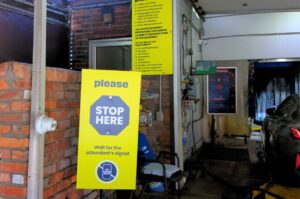
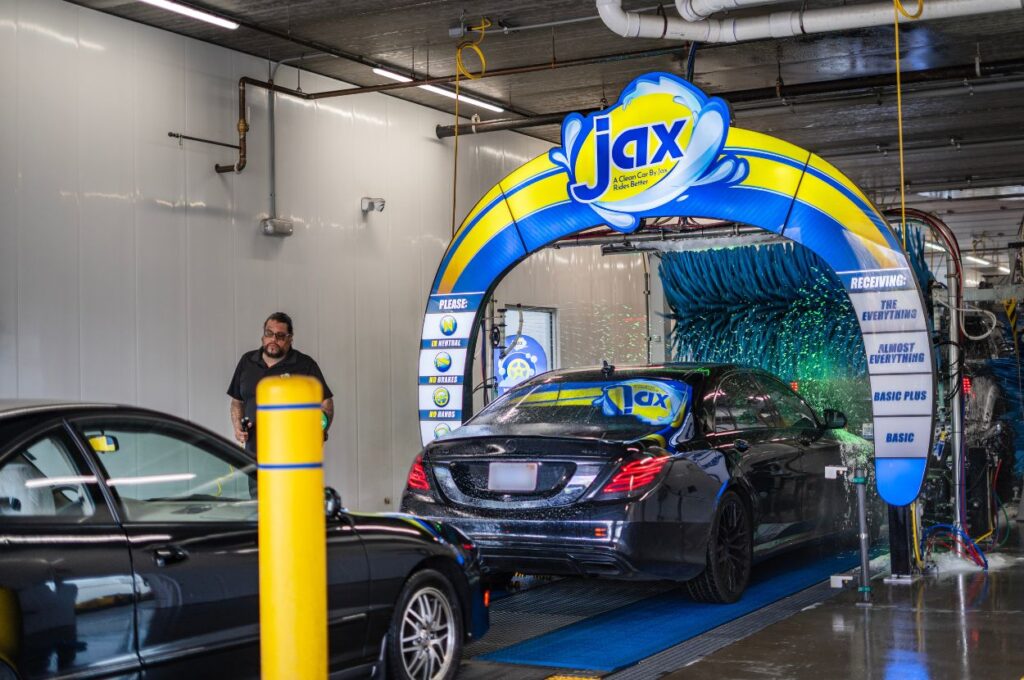
It starts with the conveyor. You drop into neutral, and a chain tows your car along at a steady, fixed pace.
That does more than spare your steering. A fixed speed means consistent spacing and timing, so every car gets the same treatment at every station, and each arch can be dialed in for the exact window your car sits in front of it.
That predictability is what makes high volume possible without the quality slipping.
Chemistry Does the Heavy Lifting
The trick to cleaning fast without scrubbing hard? Move the work onto chemistry.
The pre-soak arches hit the car with detergents that break the bond between dirt and paint before anything physical touches it. By the cleaning stage, the grime is already loose, so the cloth isn’t grinding dirt off, but it’s sweeping away what’s already let go.
Less friction, faster cleaning, safer paint. If one idea defines a modern wash, that’s it.
Soft Materials, Moving at Speed
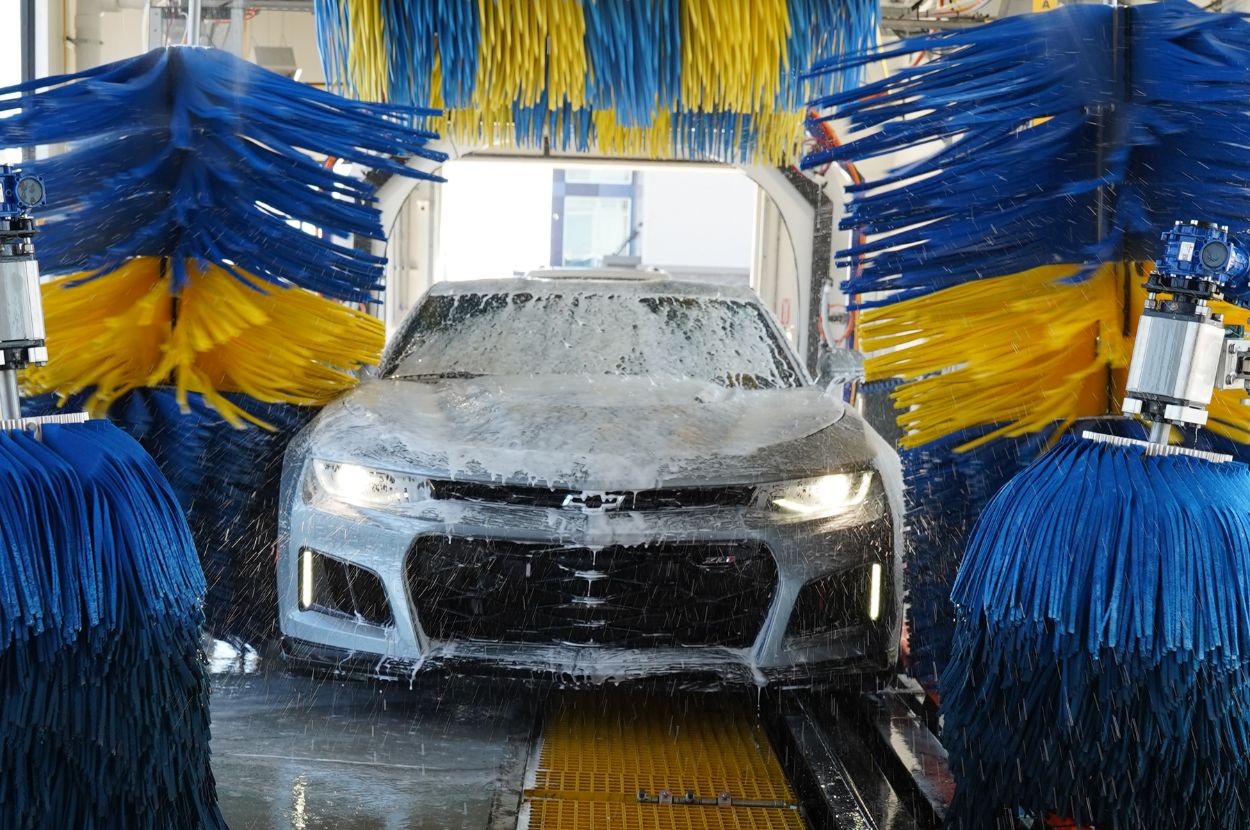
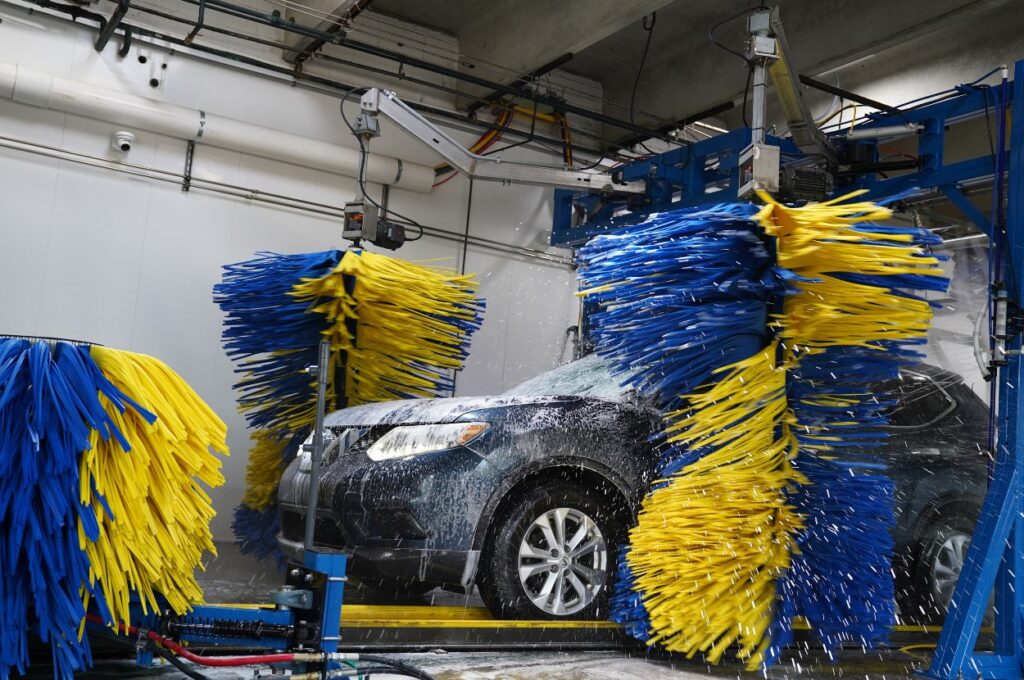
The contact media are engineered to clean quickly without marring. The rigid bristles of decades past are gone; today it’s soft foam or fine cloth strips.
They flex around mirrors, handles, and body curves while carrying a constant flood of soap and water. The lubrication is the whole game: the media ride on a wet film instead of dragging across dry paint.
Spinning at a calibrated speed, they make full contact in seconds, and they’re done.
Why the Automatic Car Wash Rinse Leaves No Spots
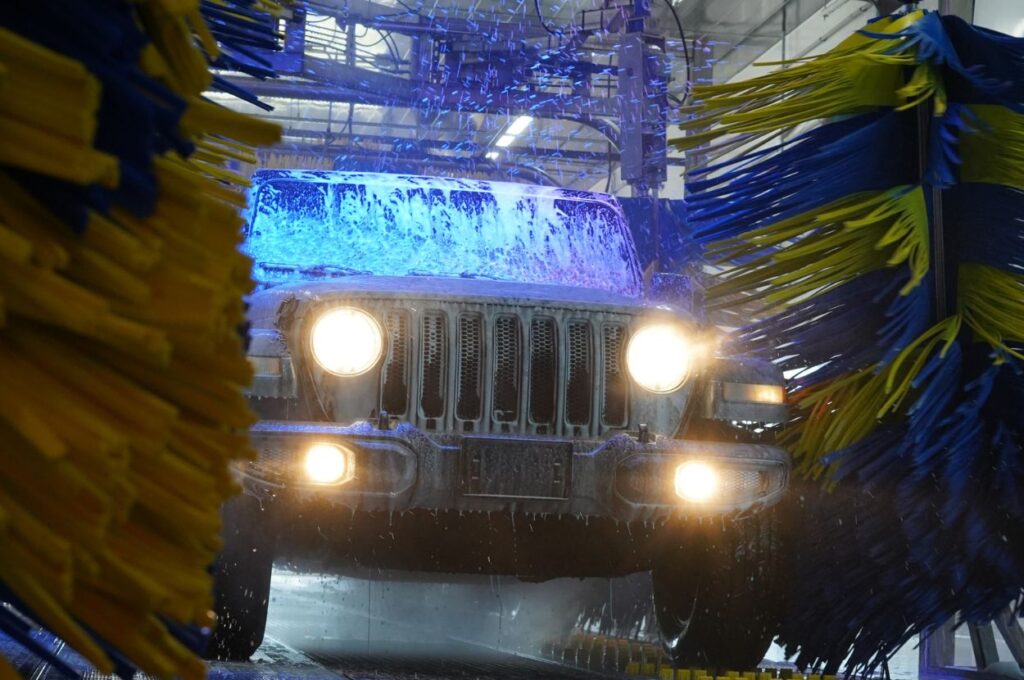
A lot of the smarts in a tunnel are invisible, living in the water system. High-volume rinse arches aim precise nozzles to flush detergent and dirt off in seconds.
The final pass is usually treated to pull out dissolved minerals, so the car dries without spotting. Plenty of tunnels also reclaim and filter water for the early stages, which trims freshwater use while saving the treated water for where it matters.
Efficient by design, not just fast.
Then It Dries Itself
Last, powerful blowers sheet the water off before it can bead and spot, timed to the conveyor so your car exits ready to drive. You get a clean, nearly dry vehicle in about the time it takes to check your phone.
That whole sequence runs on every car that rolls through.
Why Southfield Drivers Get More Washes Per Year Than They Realize
Michigan puts a tunnel through its paces in a way warmer states never experience. Road salt from November through March. Sand tracked in during the thaw. Spring pollen coats everything in yellow dust. Summer bug season on the highway. Fall sap from the oaks.
That calendar is why the throughput engineering matters here more than almost anywhere. A wash that takes twenty minutes per car can’t handle the demand on the first warm Monday after a salting event. The conveyor, with its fixed pace and precise station timing, is exactly what keeps the line moving and the wait reasonable.
The 90-second figure isn’t just a marketing number. It’s the product of every design decision working together: chemistry that does the loosening so the contact media don’t have to muscle through the mess, soft materials that flex and glide rather than drag, a water system precise enough to rinse clean without wasting time, and blowers strong enough to finish the job before the car even exits the tunnel.
Strip out any one piece, and the math breaks. Too slow on the conveyor and you back up traffic. Too aggressive on the contact media, and you scratch the paint. Too little pre-soak and the cloth has to work harder, which means more pressure, which means more risk. The tunnel only works because everything is calibrated together.
For a daily driver running 10 Mile Rd through every season, that system is the difference between a car that stays clean and protected and one that quietly accumulates salt damage through the winter and paint dullness through the summer. Those ninety seconds are fast. The engineering behind it is anything but simple.
Frequently Asked Questions
How does a car wash clean so fast without scratching?
It front-loads the work onto chemistry. Pre-soak detergents break the dirt-to-paint bond before any contact, so the soft foam or cloth sweeps away already-loosened grime instead of grinding it in. Less friction means faster, safer cleaning.
Why do I put my car in neutral on the conveyor?
The chain pulls your car through at a fixed, controlled speed, which gives every vehicle identical timing at each station. That consistency is what lets the wash run high volume without sacrificing quality or safety.
What makes the final rinse spot-free?
The last rinse is treated to remove dissolved minerals, so there’s nothing left to dry onto your paint as a spot. That’s why a tunnel-washed car can dry clear while a garden-hose wash spots.
Is the equipment really safe for my paint?
Yes, when it’s maintained. Modern soft foam and cloth flex around the car and glide on a film of soap and water rather than scrubbing dry paint. Combined with pre-soak chemistry, it’s gentler than your typical single-bucket home wash.
A 90-second wash isn’t cutting corners. It’s the payoff of careful engineering: the conveyor, the chemistry, the materials in the brushes all working together.
See the Automatic Car Wash Engineering in Action on 10 Mile Rd
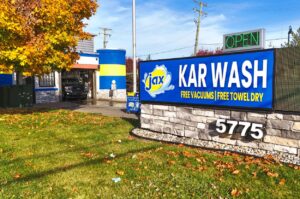
Next time you roll through, you’re watching a finely tuned system do its thing. The automatic car wash at Jax Kar Wash on 10 Mile Rd is built to move fast without cutting corners on your paint. Stop by 19708 W. 10 Mile Rd in Southfield — open every day, no appointment needed.