Michigan summers are brutal on leather. One week, your car is baking in Birmingham with the sun blasting through the windshield; the next, it is parked under a tree dropping sap and pollen on the hood while the windows are cracked for a breeze.
Leather seats sit right in the middle of all of it, and by August, a lot of Birmingham drivers notice their seats feel stiffer, look duller, or have started to crack along the bolsters.
The good news is that most summer leather damage is preventable. It comes down to a handful of habits and the right cleaning routine, not an expensive replacement or a trip to a specialty upholstery shop.
Here is the direct answer on how to clean leather car seats properly; then we will get into why Birmingham’s specific summer conditions make this more urgent than drivers realize.
How to Clean Leather Car Seats
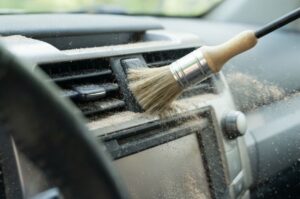
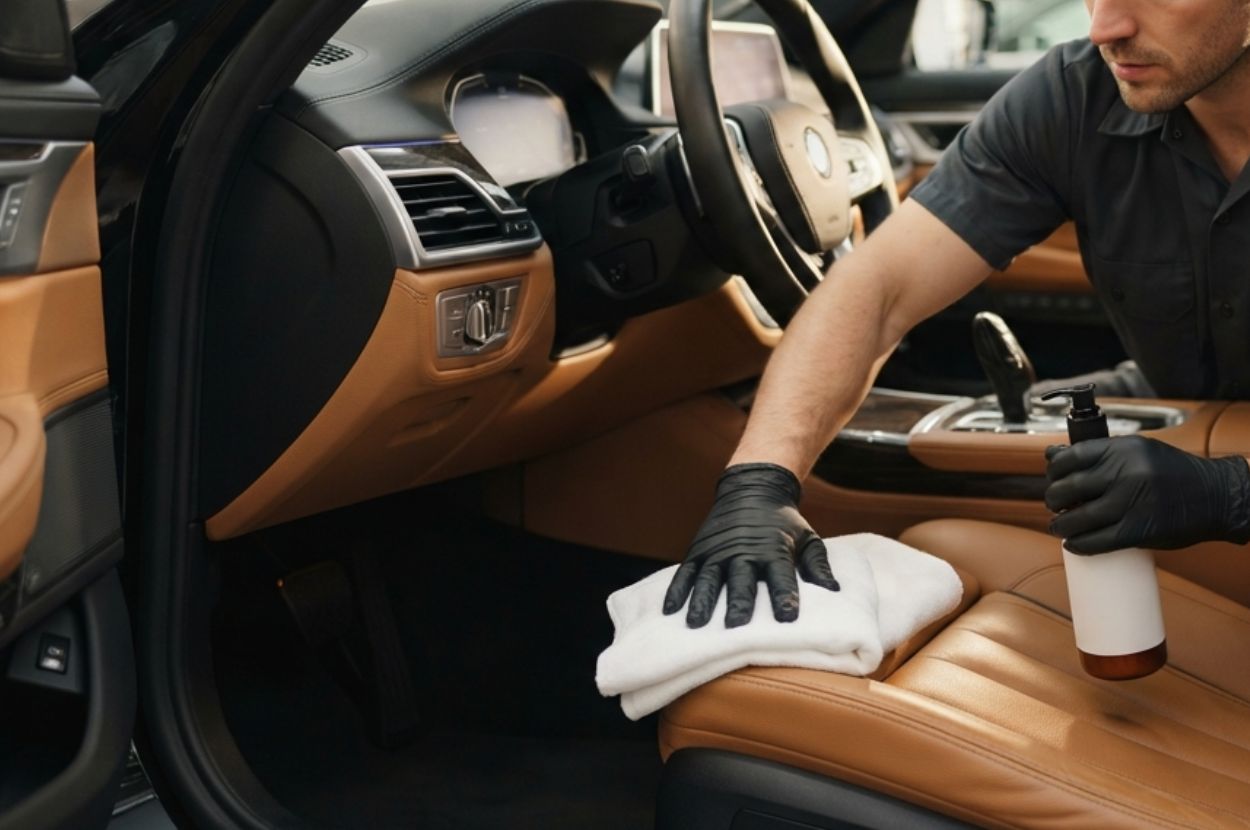
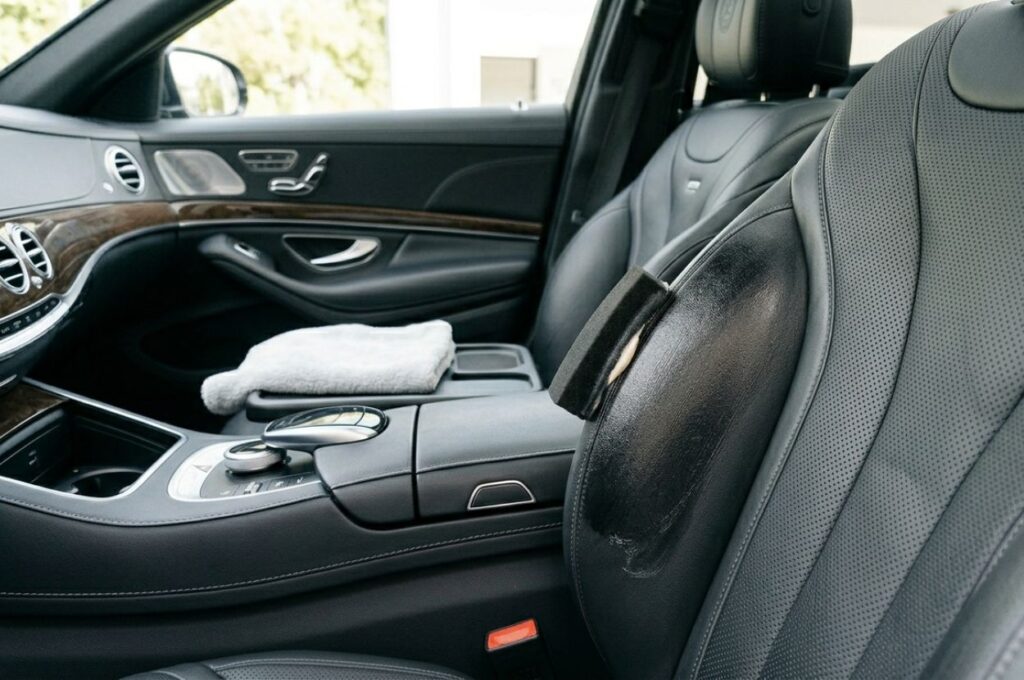
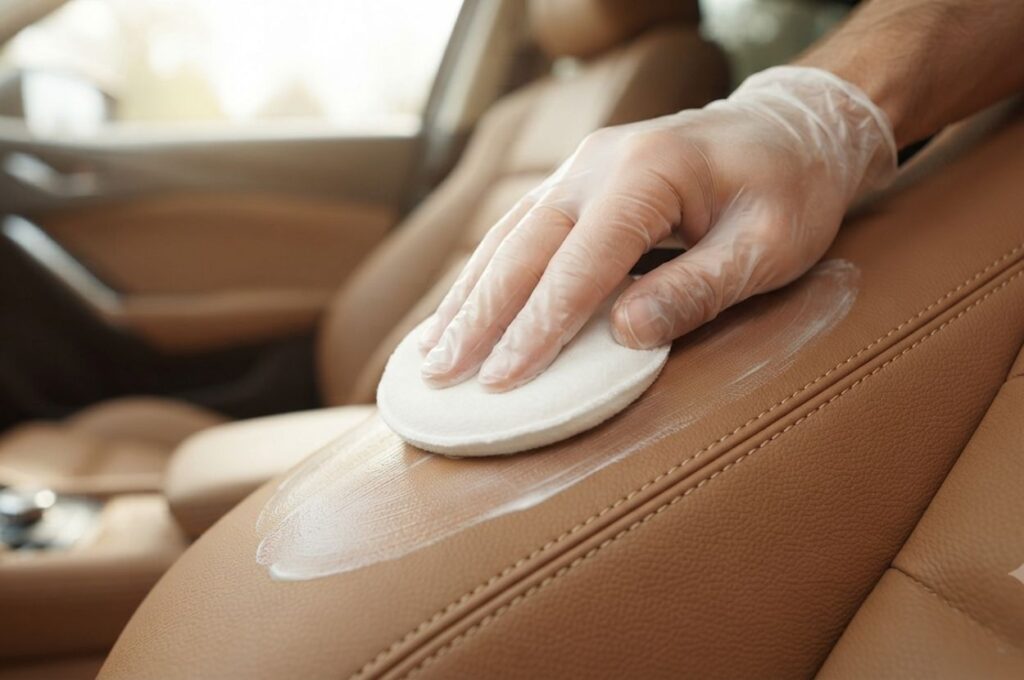
To clean leather car seats without drying them out, vacuum loose dirt first, then wipe the leather down with a pH-balanced leather cleaner and a soft microfiber cloth, working in small sections.
Follow that with a dedicated leather conditioner, never a household cleaner or an all-purpose interior spray, since those strip the natural oils that keep leather flexible. Let the conditioner absorb for a few minutes, then buff off the excess so the seats are not left greasy.
The order matters. Cleaning removes the surface grime, dust, and body oils that build up over weeks of driving.
Conditioning replaces the moisture and oils that heat and UV exposure pull out of the hide. Skip the conditioning step, and you are just cleaning your way toward cracked leather faster.
Why Birmingham Summers Are Especially Hard on Leather
Birmingham sits in one of the sunnier corridors of the Detroit metro, and covered parking is not the norm outside the Somerset Collection and a handful of downtown garages. That means a lot of leather-interior vehicles spend eight or more hours a day baking in direct sun on residential streets in Birmingham.
UV exposure breaks down the finish on leather seats faster than almost anything else, drying out the natural oils and causing the surface to become brittle.
Add Michigan’s humidity swings, from muggy July afternoons to dry, air-conditioned commutes, and leather expands and contracts more than owners realize. That constant flexing is exactly what turns small dry spots into visible cracks along the seams and bolsters where the seat gets the most wear.
Leased and Luxury Vehicles in Birmingham Need Extra Attention
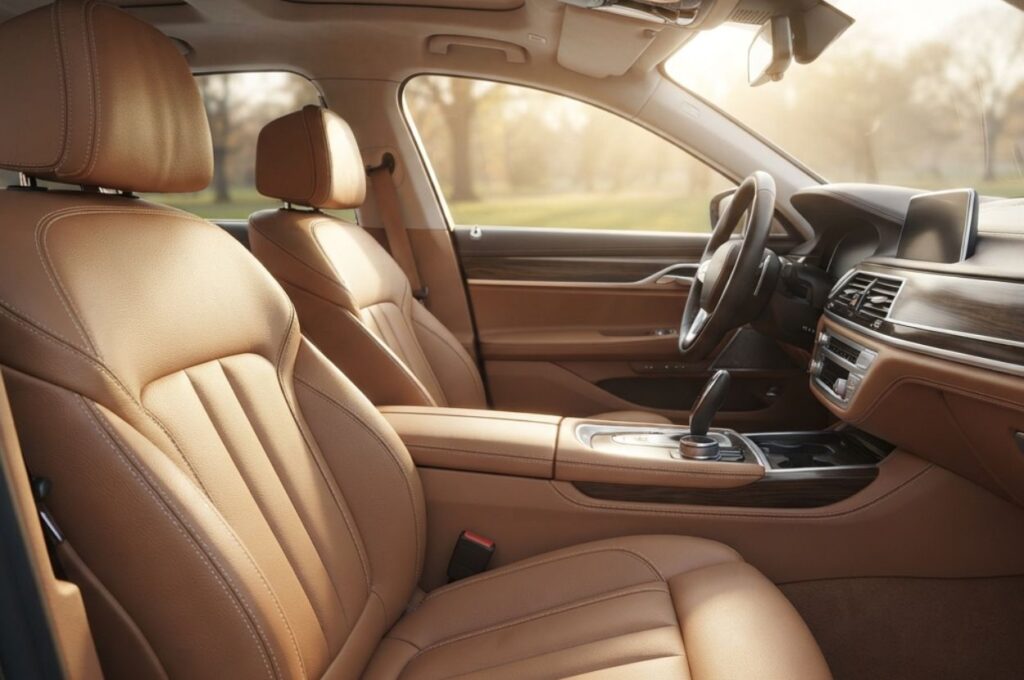
Leather in a leased BMW or Mercedes takes a particular kind of hit in summer. Dark leather interiors, which dominate a lot of Birmingham’s luxury and leased fleet, absorb more heat than lighter tones, which accelerates drying.
On top of that, lease turn-in inspections specifically flag cracking, discoloration, and excessive wear on seating surfaces, and those charges can run into hundreds of dollars if the leather was not maintained.
A monthly conditioning routine during peak summer months, versus the twice-a-year approach that works fine in milder climates, keeps leather supple enough to pass a turn-in inspection without a fight. It is a small habit that pays for itself the day the lease is up.
Everyday Habits That Protect Leather Between Cleanings
Between full details, a few small habits protect leather far better than any single cleaning session. Crack the windows slightly when parking in direct sun to reduce interior temperature swings, use a windshield sunshade to cut UV exposure on the dash and front seats, and avoid leaving damp towels or gym bags on the seats, since trapped moisture against warm leather encourages mildew and staining.
If the leather already looks dry, cracked, or discolored, a professional service goes further than a bottle of conditioner from the auto parts store. A proper car leather treatment uses commercial-grade cleaners and conditioners formulated for automotive hides, along with UV-protectant finishes that outlast the drugstore products most drivers reach for.
For most Birmingham drivers, a full leather cleaning and conditioning every 60 to 90 days through the summer keeps seats looking factory-fresh. Newer leases or vehicles that spend most of their time in a garage can usually stretch that to every 3 to 4 months.
If you notice the leather starting to feel stiff or see a change in color along high-contact areas like the driver’s bolster, that is the signal to move the next appointment up rather than wait for the scheduled one.
Road Trips and Sunscreen: Hidden Leather Hazards for Birmingham Drivers
Michigan’s summer road trips add another layer of wear that a lot of drivers overlook. Long stretches on I-75 toward northern Michigan, or weekend runs up to the lake, mean hours of unbroken sun exposure through the windshield and side glass, plus sunscreen residue and sweat transferring straight onto the seat surface.
Sunscreen, in particular, is tougher on leather than most people expect, since the oils and chemical UV filters can leave a film that attracts more dirt and, over time, discolors lighter leather tones.
It also helps to know what not to do. Baby wipes, dish soap, and glass cleaner all show up as quick fixes online, but each one is too harsh or too alkaline for automotive leather and will accelerate drying rather than prevent it.
Stick to products made specifically for leather, and when in doubt, a light touch with a barely damp microfiber cloth beats an aggressive scrub every time. Overworking a stain often pushes it deeper into the grain instead of lifting it out, especially on lighter-colored leather where the damage is harder to hide.
Frequently Asked Questions
How do you clean leather car seats without drying them out?
Vacuum loose dirt, wipe the leather with a pH-balanced leather cleaner and microfiber cloth, then follow with a dedicated leather conditioner. Skipping the conditioning step is the most common reason leather dries out and cracks after cleaning.
Can I use household cleaners on leather car seats?
No. Household cleaners, dish soap, and glass cleaner are too harsh or alkaline for automotive leather and strip the natural oils that keep it flexible. Always use products made specifically for leather.
How often should leather seats be cleaned and conditioned in summer?
Most Birmingham vehicles benefit from a full leather cleaning and conditioning every 60 to 90 days through peak summer heat. Vehicles that sit in direct sun most of the day, or leased vehicles nearing a turn-in inspection, may need it monthly.
Why does leather crack faster in Birmingham summers?
Limited covered parking means many vehicles sit in direct sun for hours, and UV exposure breaks down leather’s natural oils faster than almost any other factor. Combined with humidity swings, this leads to visible cracking along seams and bolsters sooner than in shadier or milder climates.
Visit Jax Kar Wash in Birmingham Today
If your leather seats are already showing signs of dryness or cracking, don’t wait for it to get worse. Stop by Jax Kar Wash in Birmingham for a professional cleaning and conditioning that goes deeper than at-home products, and ask our team about a maintenance schedule that fits how much sun your car sees.