
Summer paints your bumper with bug guts and dusts the hood in pollen. Winter runs white salt down every door.
Both make a car dirty, but ask around Southfield, and you’ll notice people wash way more in winter. That instinct is correct. One season’s grime is mostly a looks problem. The other is actively eating your car.
Bug Season Means an Exterior Car Wash Is About Looks
Don’t get me wrong, summer grime is real. Bug splatter, tree sap, pollen, dust.
Leave the acidic stuff from bugs and sap long enough, and it can etch your clear coat. Worth washing off, no question. But it’s a slow, surface-level threat.
A wash every couple of weeks keeps it handled. Skip one, and your car looks rough; it isn’t structurally worse for it.
The damage clock ticks slowly.

Salt Season Exterior Car Wash Is Rust Prevention
Winter is a whole different category. Road salt and brine aren’t just dirty, they’re corrosive.
Salt speeds up the oxidation of metal. From November through March, Michigan roads are basically coated in it. That salt clings to the undercarriage, the frame, the brake lines, the lower panels.
Holds moisture against bare metal. Drives rust. Unlike a bug splat, salt damage piles up and it’s structural.
Every week, it sits there, it’s working away at the parts you never see. Winter washing isn’t about a clean car: it’s rust prevention.
It All Comes Down to the Undercarriage
Here’s what makes salt season so demanding: the worst of it happens underneath, where you’d never think to clean in July. A bug-covered hood is right there in front of you.
Salt on the frame and exhaust? Invisible, until the rust shows up.
That’s why a winter wash should include an undercarriage rinse: to pull salt off the metal that actually matters. Pointless in bug season. Essential in the salt season. That one difference is why the winter routine runs more often and goes deeper.
The Extra Wash After a Thaw or a Fresh Salting
There’s a particular window Michigan drivers learn to watch for: the day after a significant snowstorm or the first warm stretch following a long, cold spell. Both situations mean the same thing: roads are soaked in brine, and your car just drove through it for days.
A thaw is actually the worst time to skip a wash. When temperatures climb above freezing, the accumulated salt liquefies and becomes more mobile, seeping into seams and joints that it had just been crusting over. That’s when you want it off: before it finds more metal.
The other trigger: Michigan DOT and local road crews pre-treat pavement with liquid brine before storms now. That stuff is even more corrosive than dry salt and gets into undercarriage gaps the same way. If you drove on pre-treated roads, your car picked up on it, even if you never saw any white residue.
None of this applies in July. The bug-season argument for washing is genuinely just about appearances and a slow surface etch. But salt season has a real urgency to it that doesn’t let up until you’ve rinsed the undercarriage.

Your Seasonal Exterior Car Wash Rhythm in Southfield
Summer, wash every couple of weeks. Handles the cosmetic stuff, keeps bug and sap acid from etching.
Winter, bump it up: weekly or every other week, always with an undercarriage rinse, plus an extra wash after every fresh salting or thaw. The goal flips from “keep it looking sharp” to “get salt off the metal.”
Drivers who actually follow that rhythm keep their cars rust-free a lot longer than folks treating both seasons the same.
Frequently Asked Questions
Why is washing more important in winter than in summer?
Summer grime is mostly cosmetic and slow to do real damage. Road salt is corrosive and cumulative: it speeds up rust on the metal you can’t see. Winter washing is rust prevention. Summer washing is maintenance.
Does road salt really cause rust?
Yes. Salt accelerates metal oxidation and traps moisture against the undercarriage, frame, and brake lines all season. The corrosion happens on parts you never look at.
Is the undercarriage rinse necessary?
In winter, absolutely. Salt collects underneath where a normal wash never reaches. In summer, it matters far less. That one step is the whole reason a winter wash runs deeper than a summer one.
How often should I wash in each season?
Summer: every couple of weeks. Winter: weekly or biweekly with an undercarriage rinse, plus an extra wash after fresh salting or a thaw.
Both seasons dirty your car. Only one is corroding it.
Washing more in salt season isn’t overkill: it’s matched to the threat. For the method side of that, here’s hand wash vs. automatic and what protects paint long-term.
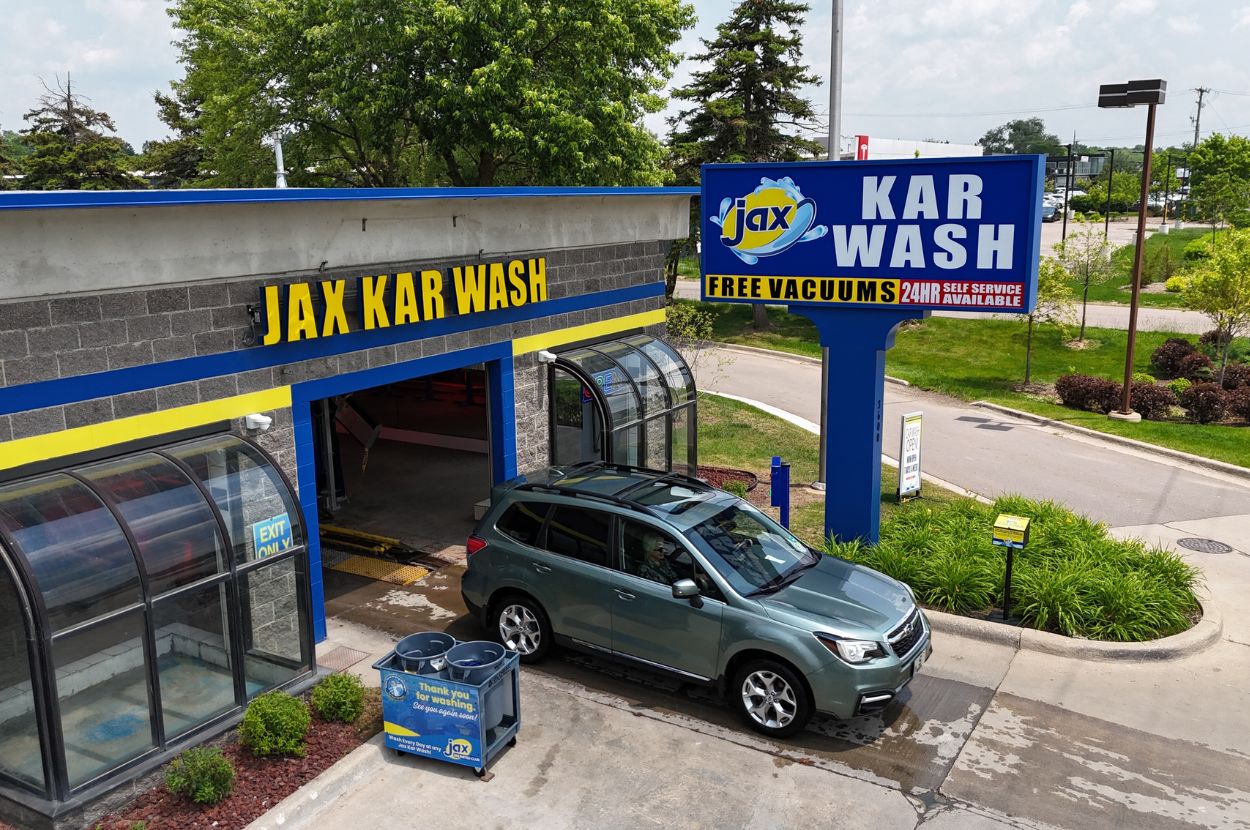
Make the Exterior Car Wash on 10 Mile Rd Your Salt-Season Default
Make our exterior car wash on 10 Mile Rd in Southfield your salt-season default. Stop by 19708 W. 10 Mile Rd — open every day, undercarriage rinse included, no appointment needed.