
It’s the debate every car owner eventually has. Is hand washing really gentler on paint than running it through a tunnel?
The instinct says hand washing must be safer: careful, personal, and controlled. But the long-term reality is messier than that. Here’s what actually happens to your paint over the years, depending on which way you go.
The Case for Hand Washing Your Car Exterior and Its Catch
A meticulous hand wash, done right, is the gold standard. With the two-bucket method, clean mitt, grit guards, frequent rinsing, and done by an experienced detailer, the paint comes out virtually swirl-free.
The problem? Almost nobody washes that way.
The typical driveway setup: one bucket, a single sponge, and a garden hose. Every time that sponge dunks back in, it picks up grit, and that grit gets dragged across the clear coat. Done casually, hand washing is one of the leading causes of swirl marks. Precisely because the abrasive dirt stays in play the whole time.
The Case for the Automatic Exterior Car Wash
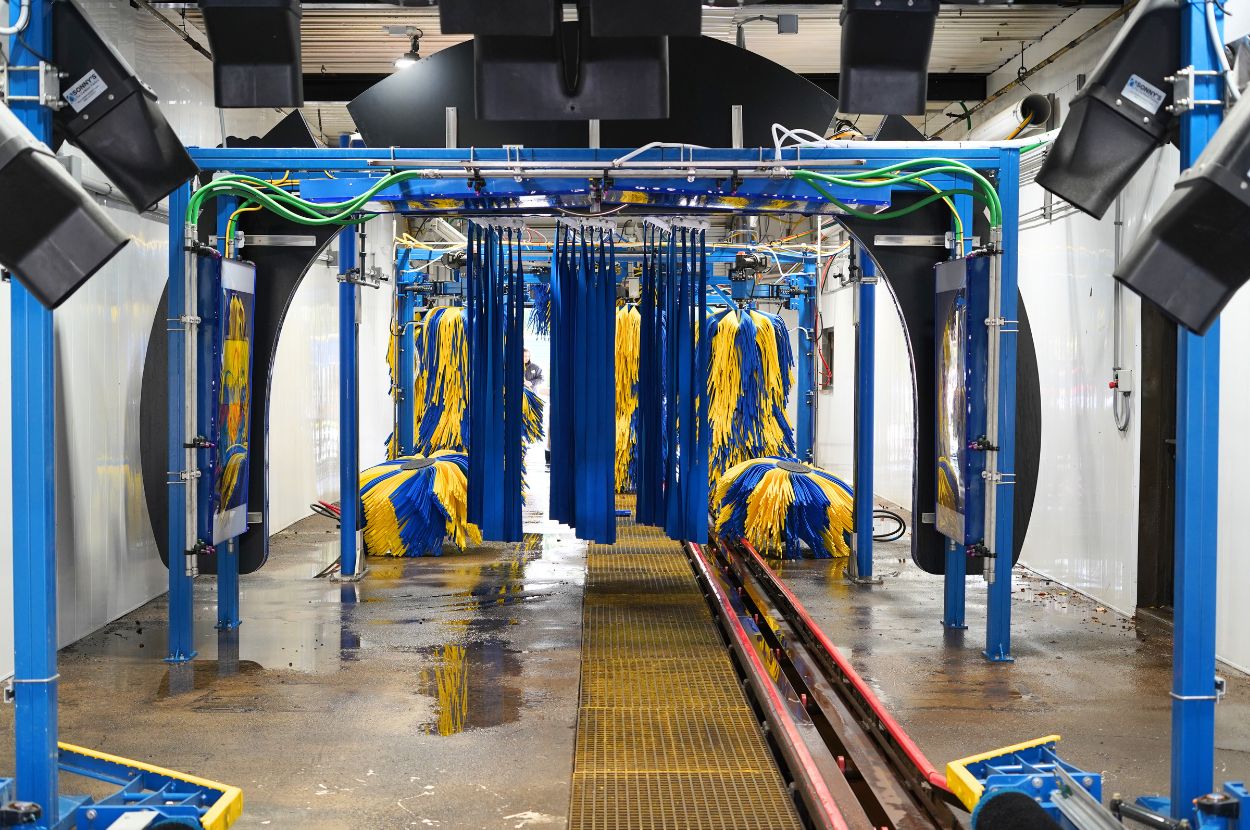
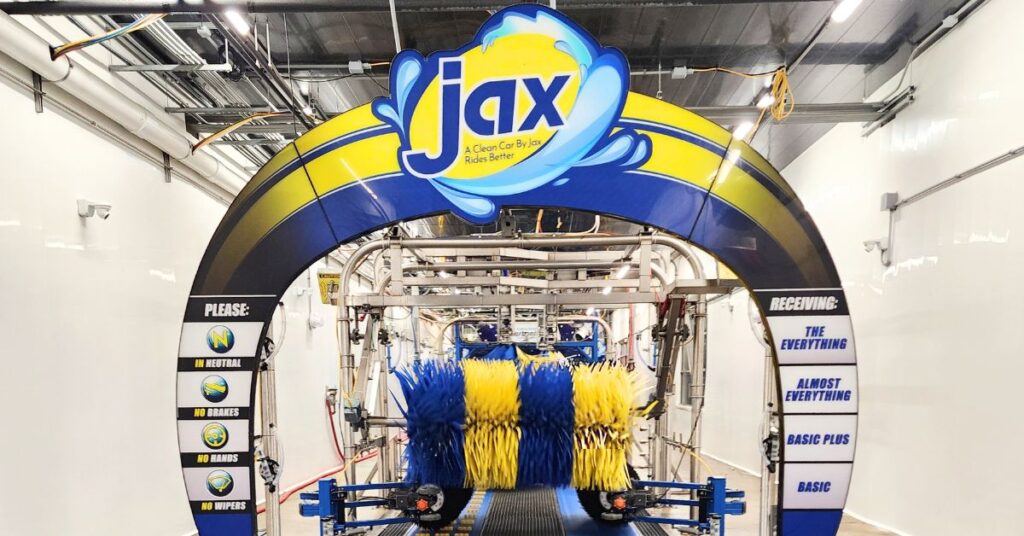
A modern tunnel removes human error from the equation. Pre-soak chemistry loosens dirt before contact. Soft foam or cloth glides on a lubricated film. A thorough rinse finishes it. Same sequence every car, every time.
No dirty bucket. No recycled grit. No garden-hose water spots. The harsh-bristle reputation is a relic of 1980s equipment that today’s soft media replaced long ago.
And most tunnels include an undercarriage flush: something a driveway wash genuinely can’t replicate. That matters in Michigan, where road salt hides under the car all winter.
What Actually Causes Long-Term Paint Damage
Step back, and the real culprit becomes obvious: grit.
Not the method, but the grit. Swirl marks come from abrasive particles moving across the clear coat. Whatever keeps that grit away from the paint protects it. A proper two-bucket hand wash does that. So does a modern tunnel. A lazy single-bucket driveway wash does not.
That’s why “hand washing is always safer” is only half true at best.
The Frequency Factor: Where Southfield Driving Changes the Math
There’s a dimension this debate usually skips: how often you actually wash. And that’s where Southfield throws a wrench into the hand-wash argument.
A proper two-bucket hand wash takes forty-five minutes to an hour. On a cold February afternoon with salt drying on your rocker panels, that’s not happening in the driveway. So it doesn’t happen at all, and the salt keeps working.
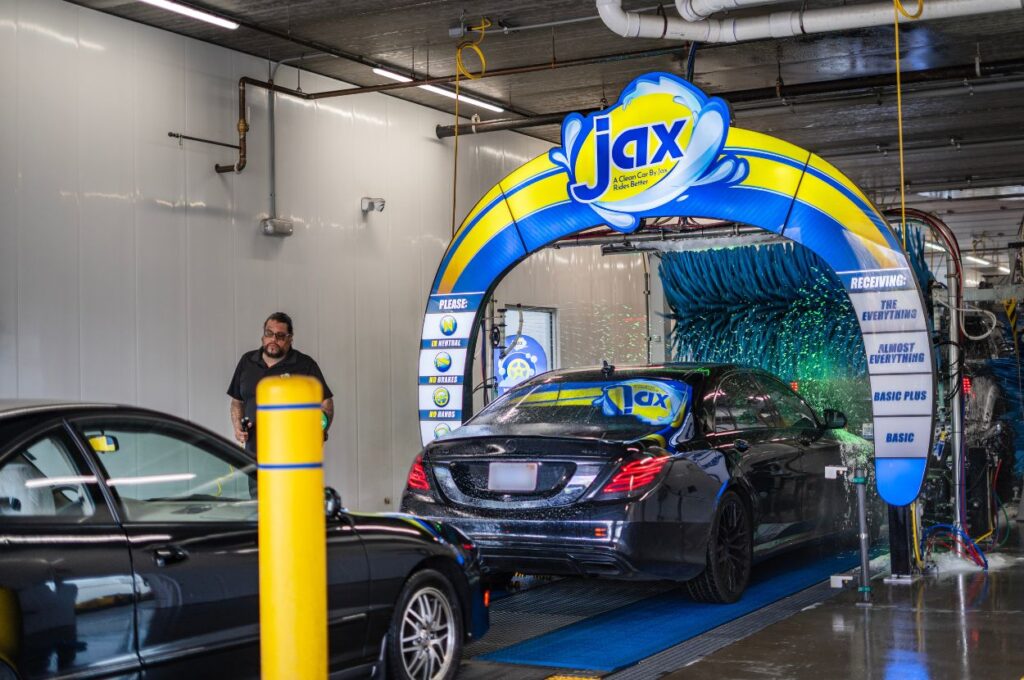
A tunnel is a two-minute commitment. That means it actually gets done. Weekly through the salt season. After every big thaw or fresh snowfall. Whenever the car looks rough from a road-spray day on 10 Mile.
Paint protection isn’t just about what happens during the wash: it’s about how consistently harmful stuff gets removed. A perfect hand wash you do twice a year protects less than a good automatic wash you do every two weeks. Frequency is its own form of protection. The tunnel wins that one by default.
The Exterior Car Wash Verdict for Daily Drivers
If you genuinely enjoy detailing and will run the full two-bucket routine every time, hand washing gives you control and a great result. That’s a real option.
But for most Southfield drivers with normal schedules, a modern automatic wash is the safer, more consistent choice. Far safer than the casual hand wash most people actually end up doing.
Frequently Asked Questions
Is hand washing really gentler than an automatic car wash?
Only if it’s done with the two-bucket method and a clean mitt. A casual single-bucket driveway wash recycles grit and is one of the top causes of swirl marks, often harsher on paint than a modern tunnel.
Do automatic car washes cause swirl marks?
Modern tunnels with soft foam or cloth don’t, because pre-soak chemistry loosens dirt first, and the media glide on a lubricated film. The swirl-mark reputation comes from old, stiff-bristle equipment that’s been phased out.
What actually causes paint swirl marks?
Abrasive grit moving across the clear coat, not the washing method itself. Whatever keeps dirt away from the paint protects it best, and both a careful two-bucket hand wash and a modern tunnel manage grit well.
Which is better for a daily driver in Michigan?
A modern automatic wash, for most people. It’s consistent, paint-safe, and many include an undercarriage flush that helps clear road salt, something a driveway wash can’t do.
The honest takeaway: a perfect hand wash and a modern tunnel are both excellent. The casual driveway wash is the real risk to your paint.
For why the cold months change the math, here’s why Michigan drivers wash more in salt season than bug season.
Your Exterior Car Wash in Southfield Is Right on 10 Mile Rd
Our exterior car wash on 10 Mile Rd in Southfield delivers that consistent, paint-safe clean every visit. Stop by 19708 W. 10 Mile Rd in Southfield — no appointment, no hassle, just a clean car.