You have probably heard someone swear that automatic car washes ruin paint, that the brushes scratch, or that a home hose-down is always gentler. It is one of the most repeated pieces of car advice in Southfield, usually from a well-meaning neighbor or a decades-old memory of a rough tunnel wash.
The truth is more nuanced, and it depends entirely on the type of wash and how often you use it. Modern equipment is not the same as what existed twenty years ago, and skipping washes to protect your paint often does more damage than the wash itself.
Here is the direct answer, followed by what actually happens to your car’s finish at each stage.
Are Car Washes Bad for Your Car?
No, modern automatic car washes are not bad for your car when they use soft-touch or touchless equipment, and you go regularly. The myth comes from older brush-style tunnels with stiff, poorly maintained bristles that dragged grit across paint.
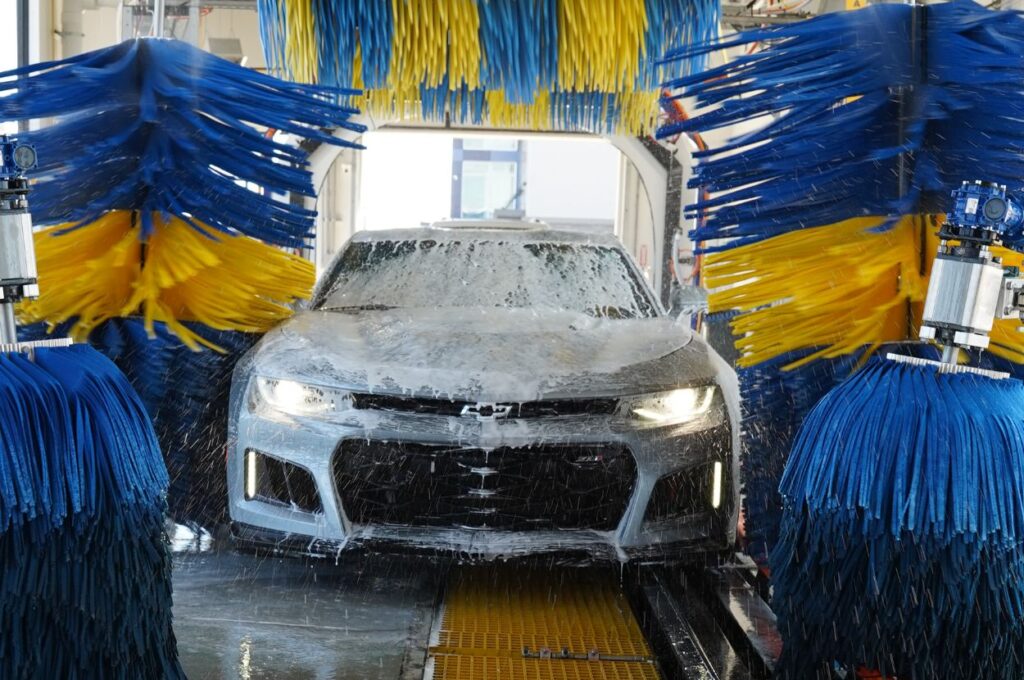
Today’s soft-cloth systems use conditioned, lubricated material designed to flex around mirrors and trim without grinding debris into the surface. The real risk to your paint is not the wash itself. It is letting dirt, salt, tree sap, and bird droppings sit on the car for weeks between washes, since those contaminants do far more damage than a properly maintained wash cycle ever will.
Why the Old Scratching Myth Doesn’t Apply to Southfield Car Washes Today
The scratching reputation is not entirely made up. Decades ago, many tunnel washes used stiff nylon brushes that were shared across every vehicle in line without being rinsed clean between cars.
Grit picked up from a muddy truck would transfer to the next sedan, and the friction left fine swirl marks that showed up under direct sunlight. That equipment mostly disappeared from serious operations years ago.
Southfield’s modern washes rely on soft foam mitts, microfiber cloth strips, or high-pressure touchless systems that lift dirt with water pressure and chemistry instead of friction. The old horror stories still get repeated because they made a strong impression, but they describe equipment that most current car washes stopped using a long time ago.
What Actually Damages Paint on Southfield Roads
If a wash is not the real threat, road salt is. Southfield winters mean months of brine and rock salt sitting on the underbody, wheel wells, and rocker panels, and left there it accelerates rust on exposed metal and pits chrome trim.
Summer brings its own hazards: tree sap and pollen along the Nine Mile tree canopy, bug splatter on the Lodge Freeway commute, and bird droppings that are acidic enough to etch clear coat within hours in direct sun. None of these threats care whether you wash your car or not. They sit and react with the paint regardless, and the only real defense is removing them before the chemistry has time to work.
A consistent automatic car wash routine, ideally every one to two weeks through a Michigan winter and during peak pollen or bug season, removes these contaminants before they cause lasting harm. Skipping washes to avoid a theoretical scratch risk almost always trades a small, avoidable risk for a much larger, guaranteed one.
How to Tell If a Southfield Car Wash Is Actually Safe for Your Paint
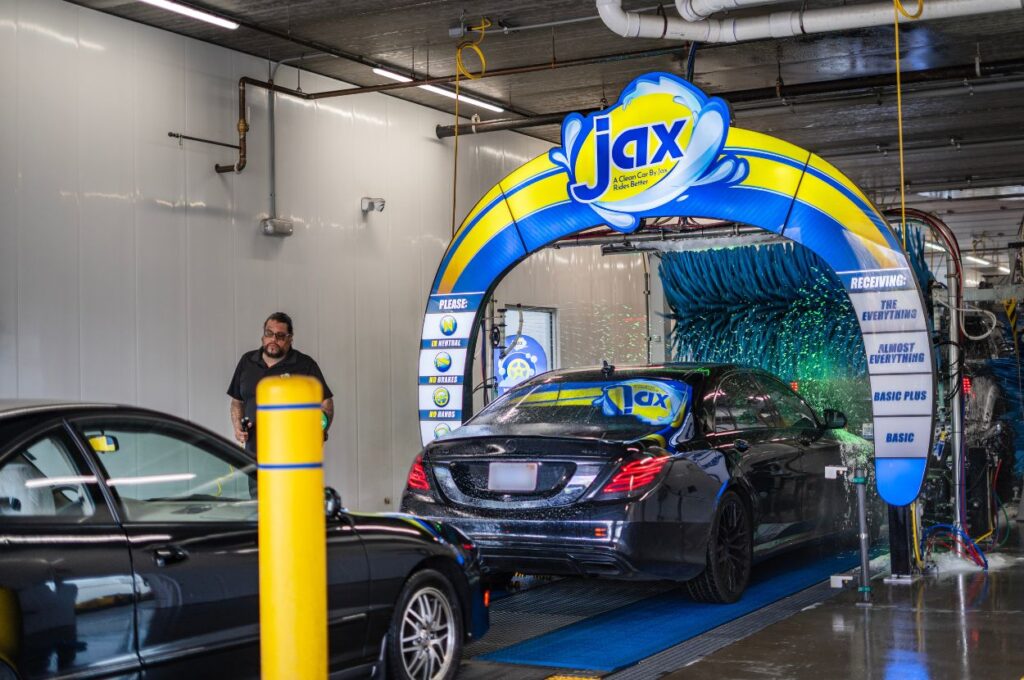
Not every wash is built the same, so it helps to know what to look for. Soft-cloth or foam-brush systems that get rinsed and replaced regularly are safe for daily-driver paint. Touchless washes that rely entirely on high-pressure water and detergent are the gentlest option, though they can leave more water spots on hard water without a good spot-free rinse.
Ask whether the equipment is inspected and cleaned regularly, since a well-maintained soft-touch system will outperform a neglected touchless bay every time. Washes that also offer an undercarriage rinse are worth prioritizing in Southfield specifically, since that is the one spot brine sits longest and rusts fastest.
Hand Washing vs. Automatic: What Southfield Drivers Should Actually Know
Hand washing has a reputation for being the gentlest option, but it is only as safe as the technique behind it. A single dirty sponge dragged over the whole car, reused bucket water, and cheap dollar-store towels cause more swirl marks than a modern automatic wash ever would.
Proper hand washing with the two-bucket method and clean microfiber is excellent, but it takes real time and discipline most people do not maintain every week through a Michigan winter. That is exactly why automatic washes exist. They deliver a consistent, repeatable process every single time, without depending on whether you remembered to rinse your wash mitt between panels.
Most detailers will tell you the same thing: a monthly hand wash paired with weekly automatic washes gives Southfield drivers the best of both. The automatic wash handles the frequent, high-volume grime from salt and road film, while an occasional hand wash lets you get into tight spots like door jambs and wheel wells that a tunnel wash cannot reach.
Choosing between the two is not really an either-or decision. It is about matching the method to the season and the level of buildup your car is dealing with that week.
Frequently Asked Questions
Are car washes bad for your car?
No, not when they use modern soft-touch or touchless equipment, and you go regularly. The scratching reputation comes from old, poorly maintained brush tunnels that mostly do not exist anymore. Skipping washes is riskier than getting them, since dirt, salt, and bird droppings damage paint far more than a properly run wash cycle.
Do automatic car washes cause swirl marks?
Well-maintained soft-cloth or touchless systems rarely cause swirl marks. Older or poorly kept brush washes can, which is where the myth originated. Choosing a wash that regularly inspects and replaces its cloth or mitt material avoids this risk almost entirely.
Is hand washing safer than an automatic car wash?
Only if it is done correctly, with clean water, a soft mitt, and fresh microfiber towels. Sloppy hand washing with a dirty sponge or reused bucket water can actually cause more scratching than a modern automatic wash.
How often should I wash my car in Southfield?
Every one to two weeks is a good baseline, more often during winter salt season or heavy summer pollen. Regular washing removes contaminants before they have time to bond with and damage your paint.
Visit Jax Kar Wash in Southfield
If you have been holding off on washes out of worry for your paint, it is time to let that myth go. Stop by Jax Kar Wash in Southfield and see how our soft-touch equipment handles road salt, pollen, and everyday grime without putting your finish at risk. Your car will thank you every time winter brine or summer sap comes calling.