Summer in Brighton means one thing on the weekends: somebody’s hitching up a boat. Whether you’re launching at Kent Lake in Kensington Metropark, running gear out to Ore Lake, or just spending the afternoon at Island Lake State Recreation Area, your car ends up doing double duty as a tow vehicle and a gear hauler. That’s a lot of sun, water, and road grime hitting the paint in a short window.
Most drivers only think about wax when the finish starts looking dull. But if you’re logging lake miles all summer, your clear coat is taking more abuse than the average commuter’s, and waiting until the paint looks bad means you’re already behind on protecting it.
The good news is the answer to “how often” isn’t complicated once you factor in what a real lake season does to a car. Here’s the direct answer, and then we’ll get into why Brighton’s lake-heavy summers change the math.
How Often Should You Wax Your Car in Brighton’s Lake Season?
Most cars need a fresh wax every two to three months under normal conditions, but Brighton drivers who spend serious time near the lakes should aim closer to every six to eight weeks between Memorial Day and Labor Day.
Boat launches expose paint to sand, silt, and standing water that dries into hard mineral deposits; the sun reflecting off open water intensifies UV exposure, and tree sap along the wooded routes into places like Island Lake adds a sticky film that eats through wax protection faster than a straight highway commute would.
A quality wax job creates a sacrificial barrier between all of that and your clear coat, so keeping that barrier fresh matters more here than it would in a driveway-only summer.
Waxing helps shield against tar and sap, but Brighton’s lake days bring another challenge: hard water spots from spray and sprinklers. Learn how to prevent etching by checking this guide on removing water spots before they set.
Why Boat Launches Wear Down Wax Faster in Brighton
Boat launches are rough on more than your trailer hitch. Backing a boat down a ramp means your rear quarter panels and lower doors sit in lake water, sometimes brackish, sometimes just mineral-heavy, and that water rarely evaporates clean. It leaves spots. If wax has already broken down in that spot, those minerals bond directly to the clear coat instead of sitting on a protective layer that rinses away with a normal wash.
Brighton’s public launches at Kensington and Island Lake see heavy weekend traffic from May through September, and repeated exposure without fresh wax is exactly how paint starts looking chalky by August. Even a single unprotected weekend at the ramp, if the wax was already thin, can leave etching that a wash alone won’t fix.
Double UV Exposure on Brighton’s Open Water
Open water throws UV at your car from two directions instead of one. Direct sun beats down on the hood and roof while reflected light bounces up off the lake surface and hits door panels and lower body lines that rarely see that kind of exposure during a normal commute into town.
That double dose of UV breaks down wax faster than dealers and wax manufacturers usually account for in their “every three months” guidance, which is written for average driving, not lake-town driving. If your weekends involve hours parked at a boat ramp or a beach lot with no shade, your wax is working overtime compared to a car that just sits in a garage on Grand River Avenue all week.
Keeping Wax Fresh Between Applications
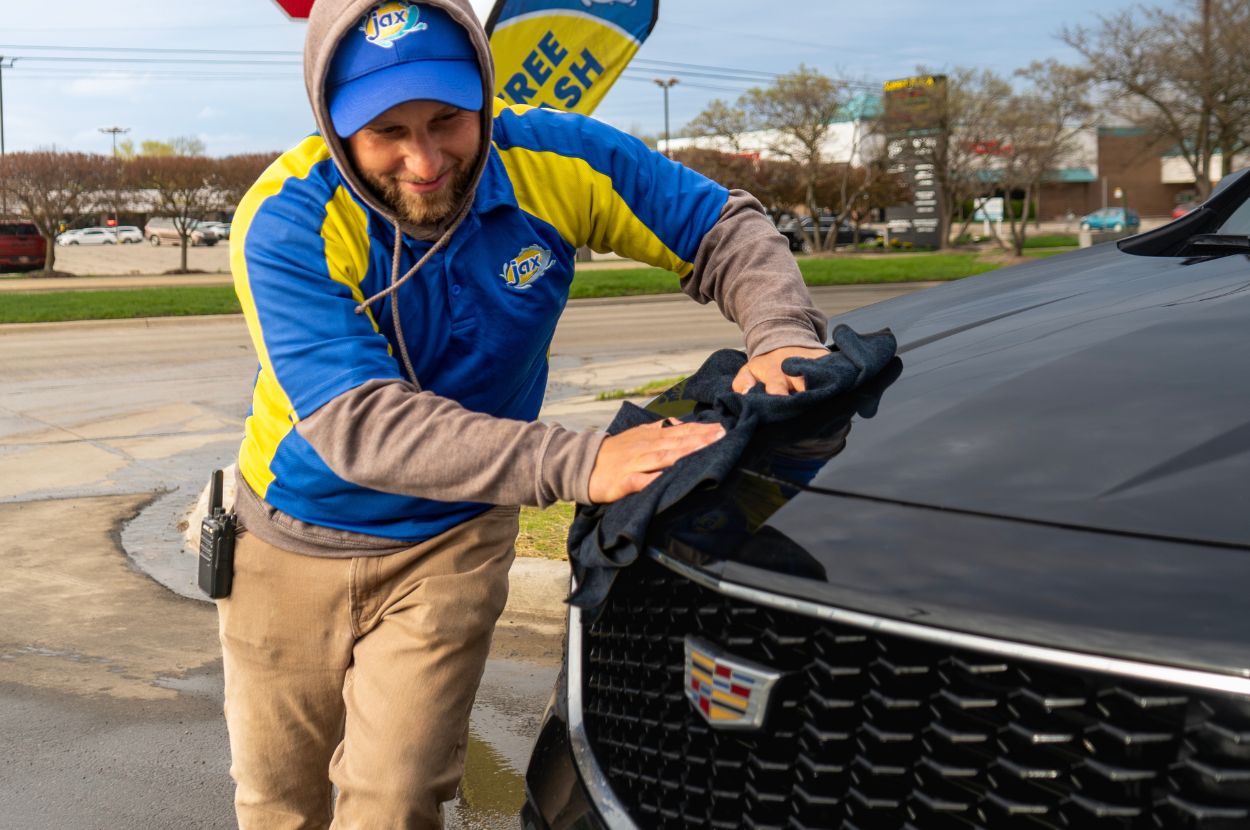
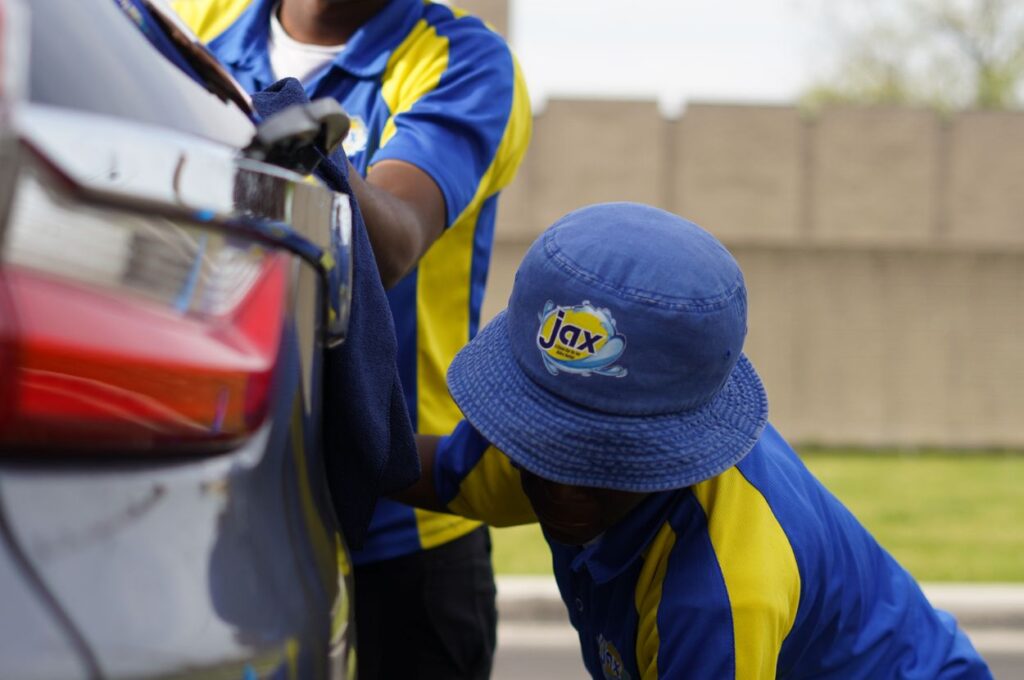
Wax isn’t just about shine; it’s a barrier that keeps contaminants from bonding to your paint in the first place. When that barrier wears thin between full wax jobs, an exterior car wash helps rinse away the sap, pollen, and mineral film before any of it has time to sit and etch into the clear coat.
Regular washing doesn’t replace wax, but it buys the wax job more time by keeping abrasive grit from grinding against a weakening layer every time you hit the road. Think of washing as maintenance between the real protection cycles, not a substitute for them.

Brighton’s Roads Add to the Wear
Summer construction near the I-96 interchange and along Grand River Avenue kicks up dust and tar spray that clings to a car’s lower half, while the tree-lined routes out toward the lakes drop pollen in late spring and sap through midsummer.
None of that is unique to lake driving, but it stacks on top of the water and sun exposure, which is why a six-to-eight-week cadence works better here than the generic every-ninety-days rule you’ll read on national sites. If you tow a boat even a few weekends a month, treat wax like an oil change: something you schedule, not something you react to once the paint already looks tired.
Knowing when the old wax is actually gone helps, too. Run your hand over the hood after a wash: if it feels rough instead of slick, or if water stops beading and starts sheeting flat across the paint, that’s your sign the protective layer is used up, not a reason to wait until next season.
Lake-season driving in Brighton just compresses that timeline, so pay attention every few weeks instead of once a year.
Frequently Asked Questions
How often should you wax your car if you’re in Brighton’s lake country?
Plan on a fresh wax every six to eight weeks between Memorial Day and Labor Day if you’re regularly at the lakes, and every two to three months the rest of the year. Boat launches, reflected UV off open water, and sap from wooded routes near Kensington and Island Lake wear the protective layer down faster than a typical commute would.
Does an exterior car wash replace waxing in the summer?
No. Washing rinses away sap, pollen, and mineral film before they have a chance to sit on the paint, but it doesn’t rebuild the wax layer itself. Think of regular washing as protecting your wax investment between applications, not a substitute for reapplying it.
Is it bad to wax right after a boat launch or a lake day?
It’s actually a good time, as long as the car is washed and fully dry first. Waxing over lake water residue or sand just traps grit against the paint. Rinse off the launch grime, dry the panels, then wax once the surface is clean.
What happens if I skip waxing for a whole summer near the lakes?
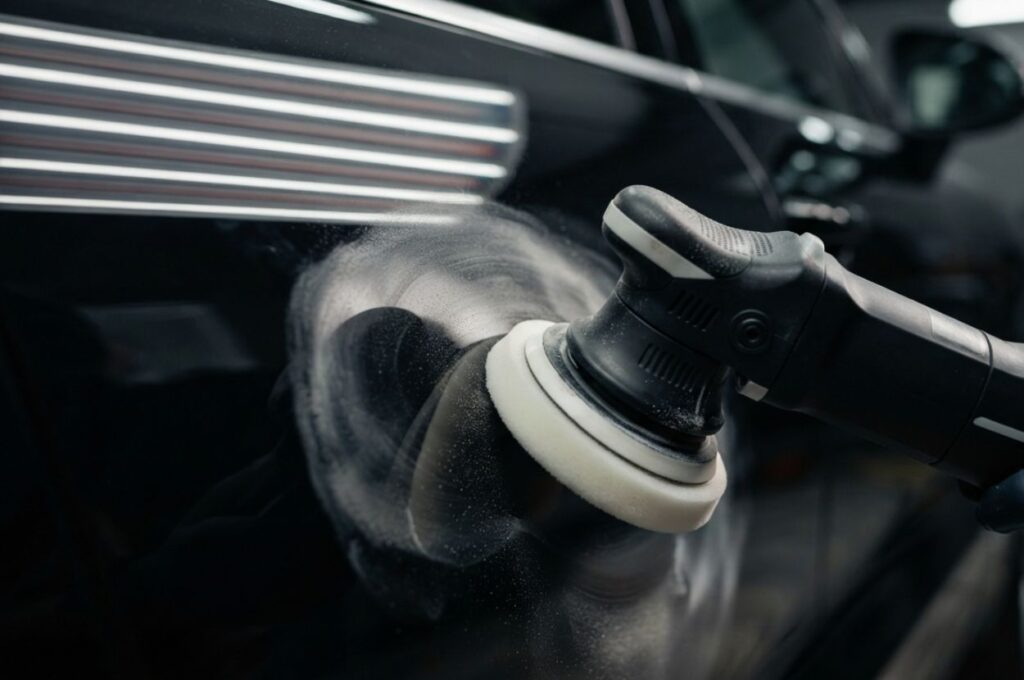
The clear coat takes the full brunt of UV, mineral water, and sap with no barrier, and by fall, you’ll likely see chalky spots, faint etching near the wheel wells, and a finish that looks dull even after a wash. Catching up usually means a machine polish before wax can bond properly again, which costs more than staying on schedule.
Visit Jax Kar Wash in Brighton Today
Whether you’re headed to the lake this weekend or just back from one, swing by Jax Kar Wash at Brighton to rinse off the sap, sand, and water spots before they have a chance to set in.
Pair a regular wash with a wax every six to eight weeks through the summer, and your paint will handle Livingston County’s lake season a lot better than it would on its own.