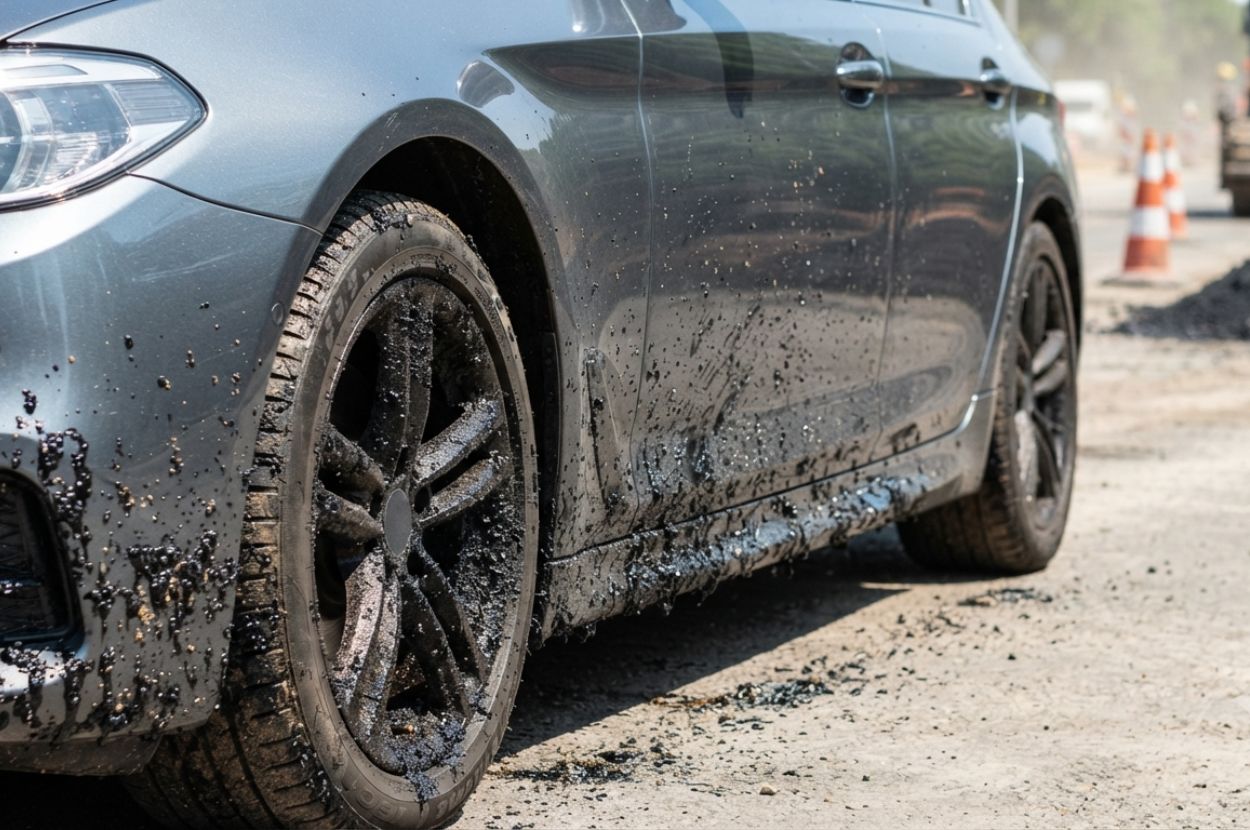
Eastpointe drivers face constant paint stress from pollen in spring and construction dust in summer. Fresh asphalt and hot tar patches leave behind residue that storms alone cannot wash away.
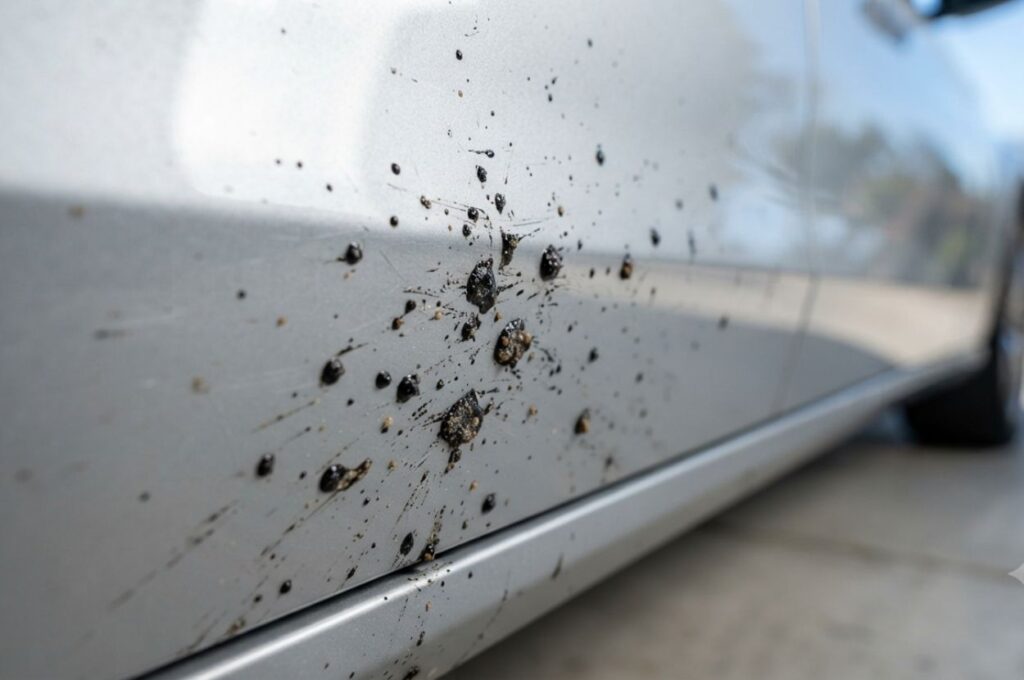
Most drivers notice tar spots but delay cleaning, which is a costly mistake. Tar begins as a surface blemish, but heat and time bond it deeper into the clearcoat.
Removing tar promptly is the only way to avoid permanent damage. Waiting through a full season of storms and construction makes extraction harder and more expensive.
How to Remove Tar From Your Car: The Direct Answer
Apply a dedicated tar and adhesive remover directly to the spot, let it sit for a minute or two so it can break down the tar’s bond with the clearcoat, then wipe gently with a microfiber towel rather than scrubbing. For fresh, soft tar, this usually lifts it in one pass.
For older spots that have had time to harden in the sun, you may need a second application or a plastic clay bar to gently work the tar loose without scratching the paint underneath. Always work in a shaded area if possible, since direct heat makes tar spread rather than lift cleanly.
Why Eastpointe Roads Are Especially Hard on Paint This Time of Year
Summer in Eastpointe means road work, and road work means fresh tar, sealcoating, and loose asphalt debris kicked up by traffic. Streets near Nine Mile, Gratiot, and the residential routes connecting to I-94 see regular repaving and patchwork through the warmer months, and every pass through a freshly treated stretch leaves small tar specks across your lower panels and wheel wells.
Add in tree sap dripping from overhanging branches on older residential streets, and your paint is picking up sticky, bonding residue from multiple directions at once, not just one occasional hazard.
What Skipping Regular Car Washes Actually Costs Eastpointe Drivers
A single tar spot ignored for a week is a minor annoyance. A season’s worth of tar, sap, and pollen residue left to accumulate is a different problem entirely, one that often ends in professional clay bar treatment or paint correction instead of a simple wash.
Every additional week that residue sits under UV exposure and summer heat, it bonds more firmly to the clearcoat, and what would have been a routine wash turns into a far pricier detailing job to fully restore the finish.
The cost isn’t really the tar itself; it’s the compounding effect of letting several seasons’ worth of contaminants layer on top of each other.
Pollen, Storms, and Tar: A Compounding Problem
None of these contaminants show up in isolation. Spring pollen leaves a fine film that storms then smear into streaks rather than rinse away, and that residue becomes a sticky base that summer tar and sap adhere to even more easily.
By the time August rolls around, a car that hasn’t seen a proper wash since May isn’t dealing with one problem; it’s dealing with layers of bonded contamination that each make the others harder to remove. Regular washing breaks that cycle before it compounds, since each layer gets removed before the next one has anything to stick to.
Getting Tar and Storm Residue Off in One Visit
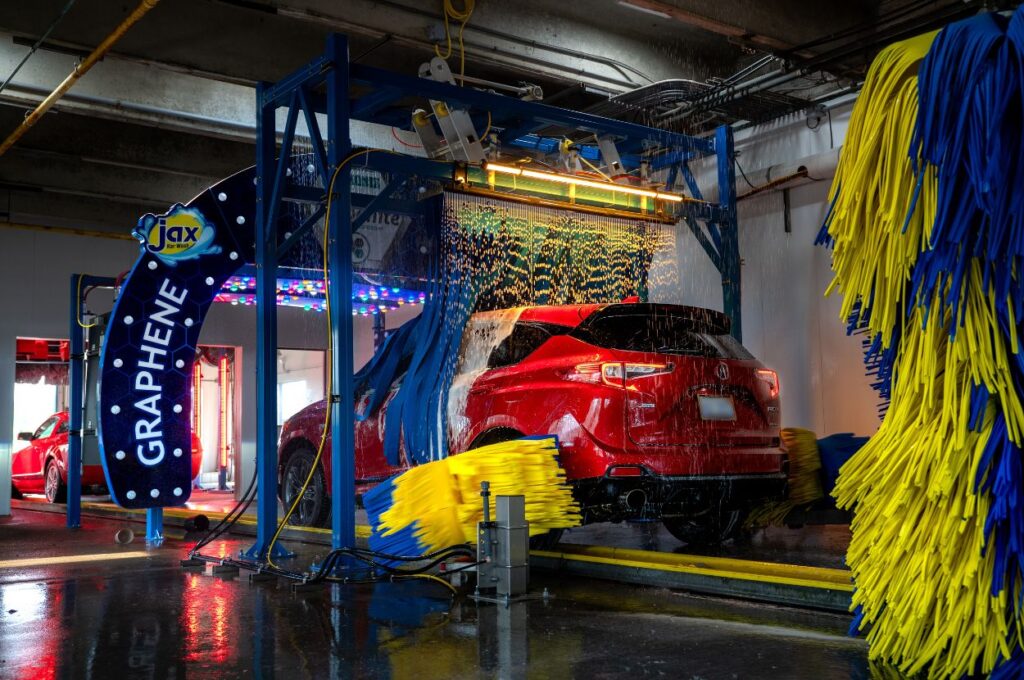
Rather than treating tar spots one at a time in your driveway, a full pass through an exterior car wash handles tar, sap, pollen film, and storm residue together, using pressure and cleaning agents formulated to break down sticky, bonded contaminants across every panel.
That’s a meaningfully different result than spot-treating one visible tar speck and missing the film building up everywhere else on the car.
Keeping Eastpointe Paint Ahead of Pollen and Storm Season
The cheapest way to deal with tar, pollen, and storm residue is to never let it sit long enough to bond in the first place. A wash every one to two weeks through peak construction and storm season keeps contaminants from compounding, and a coat of wax or sealant a couple of times a year gives tar and sap less to grip onto, making each future wash faster and easier than the last.
Storm residue isn’t the only summer hazard: Eastpointe’s love bug season brings splatter that etches paint even faster. Learn how to stay ahead of insect damage by checking this guide on removing bug splatter before it sets.
Mistakes That Make Tar Harder to Remove From Eastpointe Cars
Scrubbing at a fresh tar spot with a regular sponge or towel is one of the most common mistakes Eastpointe drivers make, since it just smears the tar across a wider area instead of lifting it. Using a household solvent like nail polish remover or gasoline is another one that seems like a shortcut but can actually strip wax and damage the clearcoat underneath.
Parking in direct sun while trying to treat a spot also works against you, since heat softens tar further and makes it more likely to spread rather than release cleanly. A shaded spot, a proper tar remover, and a light touch get better results every time than force ever will.
Why Waiting Until Fall Costs Eastpointe Drivers More
Some Eastpointe drivers plan to deal with tar and pollen buildup once construction season slows down in the fall, treating it as a single end-of-summer cleanup instead of an ongoing task.
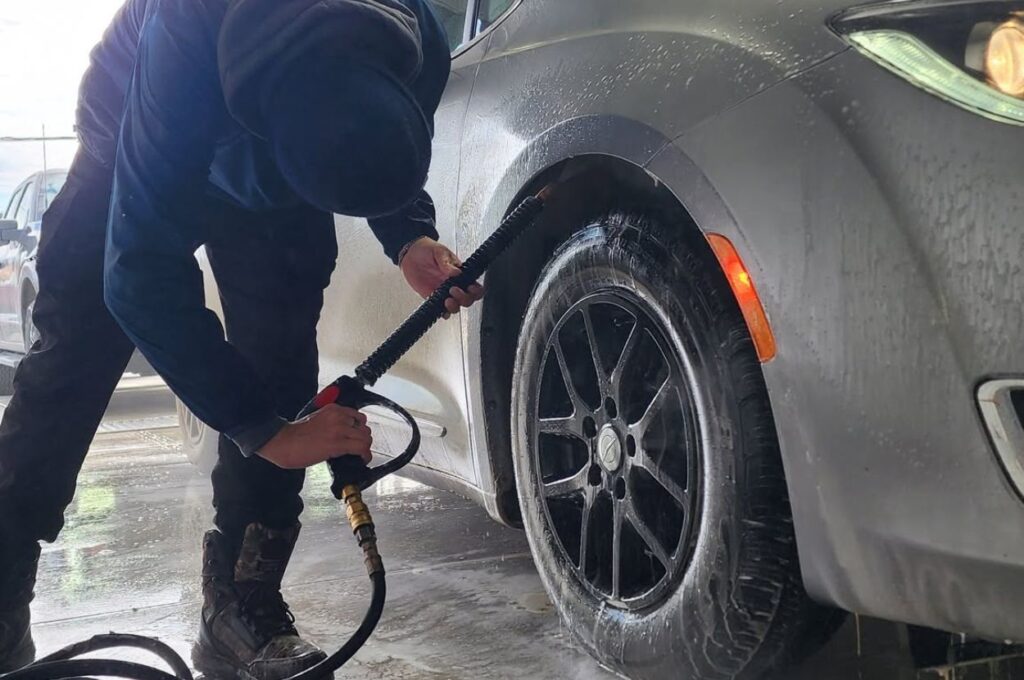
By that point, months of bonded residue have usually moved past what a standard wash can fully lift, and the job shifts from routine maintenance to corrective detailing.
Staying on a regular wash schedule through the summer is almost always cheaper and less time-consuming than trying to reverse several months of accumulated damage in one visit come October.
Frequently Asked Questions
How do you remove tar from a car?
Apply a dedicated tar and adhesive remover, let it sit for a minute or two, then wipe gently with a microfiber towel. Older, hardened tar may need a second application or a clay bar treatment to lift it without scratching the paint.
Will tar damage my car’s paint if I leave it too long?
Yes. Tar bonds more firmly to the clearcoat the longer it sits, especially under summer heat and UV exposure. What starts as a surface spot can require professional clay bar or paint correction treatment if left for weeks or months.
Why is my car covered in tar spots after driving around Eastpointe?
Summer construction and repaving projects across Eastpointe leave fresh tar and asphalt residue on the roads, which gets kicked up onto lower panels and wheel wells as you drive. This is common near areas with regular road work, like Nine Mile and Gratiot.
How often should I wash my car to prevent tar buildup?
Every one to two weeks during peak construction and storm season is a good target. Frequent washing keeps tar, pollen, and sap from bonding to the clearcoat before they have a chance to compound into a bigger cleaning job.
Visit Jax Kar Wash in Eastpointe Today
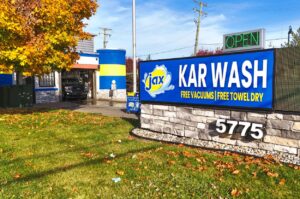
Don’t let a season of tar, pollen, and storm residue turn into a bigger job than it needs to be. Jax Kar Wash in Eastpointe clears every panel in one visit, keeping your paint ahead of what summer construction and weather throw at it.
Stop in this week and keep this season’s residue from becoming next season’s detailing bill.