 ← BLOG | NEWS ROOM
Why Do Your Brakes Squeak After a Car Wash? What Jackson Drivers Should Know
Brakes usually squeak after a car wash because water leaves a thin layer of rust on the rotors, and the pads scrape it off the first few times you stop. It’s normal, and the noise should be gone within a few stops.
You pull out onto Airport Road with a clean car, hit the brakes at the first light, and hear a scrape that makes you wince a little. It sounds a lot worse than it actually is, though there are a handful of signs that mean the brakes deserve a closer look.
Why Brakes Squeak After an Automatic Car Wash
The shiny disc you can see behind your wheel is the rotor, and on most cars it’s plain cast iron. Where the pads clamp down, there’s no paint or coating at all, since the brakes need bare metal to grip.
As Motor1 explains, bare iron doesn’t need much moisture to start rusting, and humidity, dew, or a car wash will all put a thin orange film on it, sometimes in just a few hours.
The first time you brake, the pads basically sand that film off. That’s the noise.
It isn’t a sign the wash did anything wrong. An automatic car wash is supposed to soak the area around your wheels, because that’s how the salt and brake dust come off, and the rotors just happen to be sitting right there.
How Long Brake Noise After an Automatic Car Wash Should Last
Usually it’s gone after a few stops. Motor1 says the sound and any roughness should fade as the pads clean the surface, and that normal driving takes care of light rust on its own.
You can help it along with a few gentle stops once you’re back on the road, which lines up with what the Manitoba driver’s handbook tells drivers about wet brakes in general: go slow and apply them lightly until they dry out.
There’s no need to slam the pedal to check anything.
And if the noise comes back the next morning after the car sat outside all night, that’s the same thing happening again, and it’ll clear the same way.
When the Squeak Means a Mechanic Should Look
Here’s the honest line between “normal” and “not normal.” Rust noise from a wash fades on its own, and a real brake problem doesn’t care whether you just washed the car.
So if the grinding is still there after you’ve driven a while, or the pedal pulses under your foot, or the steering wheel shakes when you slow down, that’s a mechanic visit. Same if the car starts pulling left or right when you brake.
Motor1 mentions a couple of less obvious ones too. A single wheel that’s way hotter than the rest can mean a caliper is sticking, and a pad that seems stuck to the rotor should get looked at.
One thing not to do: spray something on the rotors to make them quiet. Oil, wax, or a rust spray on a braking surface is genuinely dangerous.
A car wash can’t diagnose any of this. When the noise doesn’t go away with normal driving, take it to a brake shop.
What to Do Right After You Leave the Wash
Honestly, just drive. A few miles of normal stop-and-go gets the brakes warm, dries things out, and cleans off whatever rust was starting to form.
Where people run into trouble is washing the car and then letting it sit.
Heading out of town for a long weekend, or working from home all week? Give it that short drive after the wash instead of pulling right into the garage.
That’s because rust keeps building the longer a damp car sits. Motor1 says a car parked for weeks or months can get rust thick enough to actually pit the rotor, and that’s a much bigger deal than a squeak.
Why Jackson Winters Make It Happen More Often
Salt season makes all of this worse, because whether you’re on I-94, US-127, or just crossing town for groceries, the brine on Jackson roads keeps your rotors wet and salty for months at a time.
The cold doesn’t help. Wash the car after work, leave it in the driveway overnight, and the rust film has all night to grow before your first stop in the morning.
If you drive a hybrid or an EV, you’ve probably noticed it more than most people do. Regenerative braking handles so much of the slowing down that the actual pads barely touch the rotors some days, so the rust never gets scrubbed off.
Drive one of those? Get in the habit of a few easy, deliberate stops after every wash so the pads get some contact.
Keeping Brakes Happy With a Regular Automatic Car Wash
Please don’t let a squeak talk you out of washing. Salt sitting on the undercarriage all winter is far harder on brake lines, calipers, and everything else under there than a little flash rust ever will be.
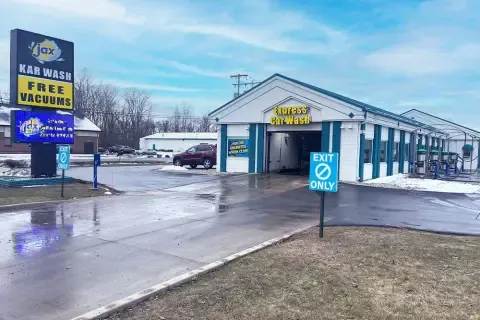
Jax Kar Wash’s automatic car wash on Airport Road takes the salt and road film off, and you don’t have to stand in a freezing driveway holding a hose to get it done. Every exterior wash at Jax includes an underbody wash to rinse salt off the undercarriage.
Frequently Asked Questions
Is it normal for brakes to squeak after a car wash?
Totally normal, at least for the first few stops. The wash leaves a thin rust film on the cast-iron rotors, and your pads grind it off the next few times you brake.
How do you stop brakes from squeaking after washing your car?
You don’t really have to do anything except drive, maybe with a few gentle stops thrown in. Whatever you do, don’t spray anything on the rotors, because lubricant on a braking surface is a safety problem.
Can a car wash damage your brakes?
No, a wash won’t hurt healthy brakes, since all it does is get them wet. If the noise is still there after a normal drive, something else is going on, so have a mechanic take a look.
Why do my brakes grind in the morning after a wash?
Because the car sat overnight and rust formed on the rotors while it did. It usually clears in a few stops, and if it doesn’t, get the brakes checked.
Visit Jax Kar Wash in Jackson Today
A few gentle stops and the noise is gone, but the salt you rinsed off stays gone too. Swing by Jax Kar Wash on Airport Road in Jackson and keep the undercarriage clean through the winter.