
 ← BLOG | NEWS ROOM
How Much Salt Brine Is Really on Your Car After a Week on I-696 and I-75?
More than you’d think. After a week of commuting on I-696 and I-75 while the roads are treated, salt brine has dried into a thin white crust across the lower panels, the wheels, and a lot of the undercarriage.
And it doesn’t stop working when the road dries. You can’t measure it in the driveway, but Madison Heights drivers can learn to spot it and get it off before it sits.
What Salt Brine Is and Why Road Crews Use It
Brine is just salt dissolved in water. Crews spray it on the pavement before a storm so the first snow melts on contact instead of bonding to the road.
They also mix it with rock salt as it goes down. The liquid helps the salt stay put instead of bouncing off into the shoulder.
Great for traction. Not so great for your car, because brine is already liquid and every tire on the road flings it around.
On a freeway as busy as I-696 or I-75, that’s a steady mist the whole drive.
Ever notice those stripes on the pavement before a storm? That’s brine, and every car on the freeway drives right through it.
Why Salt Brine on a Car Is Harder to Spot Than Rock Salt
Rock salt announces itself. White chunks, gritty slush in the wheel wells, the works.
Brine’s sneakier. It dries into a thin, even haze that looks like plain dust, and on a silver or white car you might not see it at all.
It gets places rock salt can’t, too. A fine mist works into seams, behind trim, around brake lines, and into the folds where body panels meet.
Here’s the part people don’t expect. Brine doesn’t need a storm, so a pre-treated freeway can coat your car on a dry, sunny day before a single flake falls.
A Week on I-696 and I-75, Panel by Panel
Speed makes it worse. At freeway speed, spray from the trucks and cars ahead of you hits harder and lands higher on the car.
The front bumper and grille take it head-on. You’ll see brine dry first along the bottom edge of the bumper and the leading edge of the hood.
Next come the sides, especially right behind the front wheels.
Drive a crossover or SUV? The rear hatch picks up a heavy coat from the air swirling behind you, and the back glass goes gray along with it.
Then there’s underneath. The undercarriage rides in a cloud of brine the entire drive, and you’ll never see it without getting down on the ground.
Do that five days in a row, and the layers stack up. Unless real rain comes through, none of it rinses itself off.
By the end of the work week, the car you washed over the weekend is carrying five days of freeway spray. It just doesn’t look like much.
Where Brine Hides After the Car Looks Clean
A car can look clean at a glance and still be carrying plenty of brine. Rain and the wash hit the roof and hood, but the lower panels and undercarriage hang on to residue.
Check your door jambs. Salty slush gets flung into that gap every time a door opens, and it dries there where you won’t see it.
The fuel door hides it. So does the spot behind the license plate, and the lip of the rear bumper.
Worst of all? The wheel wells.
They sit right in the spray, and the plastic liners trap wet grit against the metal behind them. That’s a spot that can stay damp and salty for days after everything else on the car has dried.
How to Tell If Brine Is Still on Your Car
Look at the lower doors in daylight. A white, chalky haze that gets thicker toward the bottom is usually dried brine.
Run a finger across the bottom edge of the bumper. Gray and gritty means it’s still there.
Then check the wheels and lug nuts. Brine leaves a crusty white ring around the hardware that regular road dust just doesn’t.
If the paint looks fine but that ring’s still there, the brine never left. Your next wash needs to get underneath, not just over the paint.
Getting Brine Off Before It Sits
Water takes brine off, but it has to be a thorough rinse, especially underneath. A quick spray from the garden hose rarely gets into the seams or the underside.
Every wash at Jax Kar Wash includes the Underbody Wash, a blast of water that rinses dirt and salt from the undercarriage. Basic Plus and up also add Under Sealant, which helps protect the underside against rust.
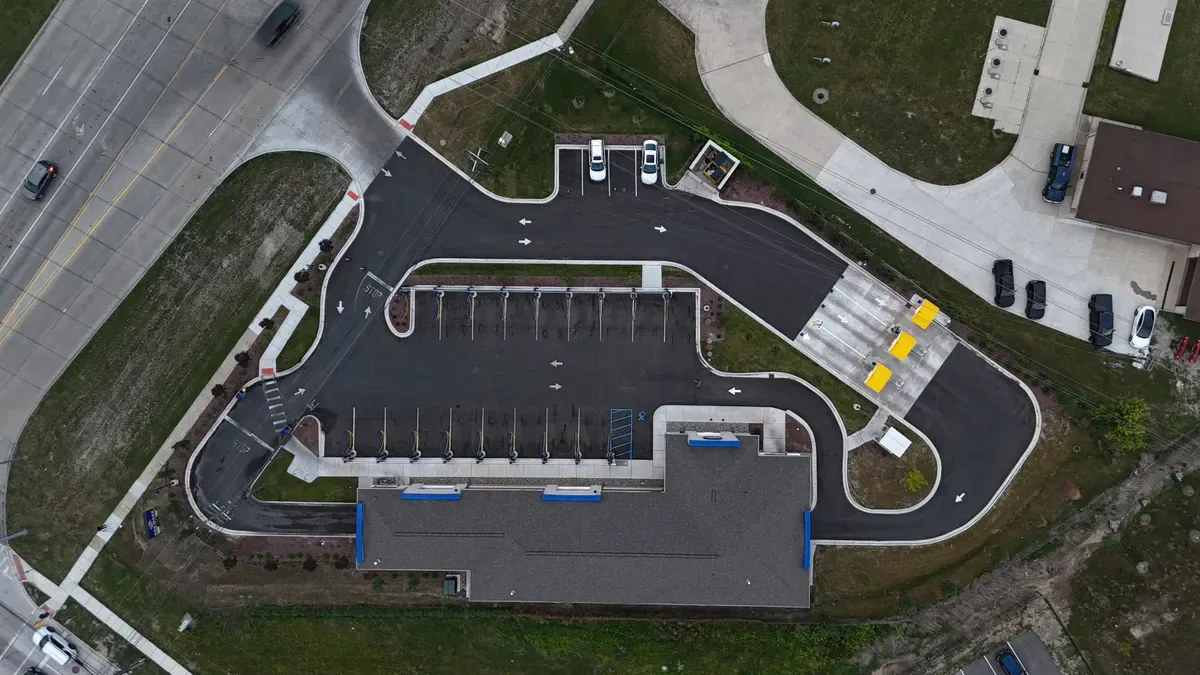
Our exterior car wash at the Madison Heights store on Stephenson Hwy is an easy stop on the way home after a week of treated roads.
How often? During a stretch of pre-treated or salted freeway driving, every few days keeps it from building up layer on layer.
Don’t wait for the car to look dirty, either. Brine is easy to miss on the paint, so go by the roads instead and wash after any drive where you saw the stripes or plowed through slush.
Frequently Asked Questions
Is salt brine worse for your car than rock salt?
Salt brine can be harder on a car than rock salt because it’s a liquid that spreads into seams and under trim where solid salt can’t reach. It also dries into a thin film that’s easy to miss while it keeps working on the metal.
Does rain wash salt brine off a car?
No, a light rain doesn’t wash salt brine off very well and can just spread the residue around. A thorough wash with an underbody rinse is the reliable way to get it off.
How often should I wash my car when roads are brined?
Most Michigan drivers should wash every few days to once a week while roads are brined or salted. If you’re on I-696 or I-75 every day, lean toward every few days.
Can you see salt brine on a car?
Usually, yes, as a white, chalky haze on the lower doors, bumpers, and wheels. It’s harder to spot on light-colored cars, so running a finger along the bottom of the bumper helps.
Visit Jax Kar Wash in Madison Heights
Coming off I-696 or I-75 after a week of treated roads? Get the brine off at Jax Kar Wash, 29022 Stephenson Hwy in Madison Heights, before it settles into the seams, or call 947-217-3255 with any questions.