
 ← BLOG | NEWS ROOM
Should You Use a Car Cover in Fall and Winter? When It Helps and When It Scratches
Throwing a cover on the car for fall and winter sounds like a no-brainer. Then a coworker swears covers scratch paint, and suddenly you’re second-guessing it.
Honestly, you’re both right. A cover helps on a clean, dry car that isn’t driven every day, but it does damage when it’s pulled over a dirty car, flaps in the wind all night, or traps moisture against the paint.
Should You Use a Car Cover in Winter?
Yes, if the car sits for days or weeks at a time and you can put the cover on clean. For a daily driver in Farmington Hills, though, a cover is usually more trouble than it’s worth.
The problem is grit. Pull a cover over a car with road film or salt on it, and the fabric drags all of that across the paint.
Now do that twice a day all through salt season, and you’re basically polishing fine scratches into the clear coat. Most daily drivers are better off with frequent washes and a layer of wax or sealant.
When a Car Cover Helps
Where covers really earn their keep is on cars that sit. Think a weekend car, a stored classic, or the second car that only comes out on dry days.
On a car like that, the cover keeps off leaves, sap, bird droppings, and dust. It also blocks the sun on clear days (nice for the interior) and means less frost to scrape off the glass.
Indoors is where they work best. In a garage or carport, you get the dust protection without the wind and wet snow that make outdoor covers tricky.
Even in the garage, a light dust cover is worth having on a car that sits all winter. Garages are dusty, and a whole season of sawdust, leaf bits, and whatever blows in when the door opens ends up on the hood.
When a Car Cover Scratches Paint
So where do the scratches come from? Dirt stuck between the fabric and the finish, which turns into sandpaper every time the wind shifts the cover a little.
Wind makes it worse. A loose cover flapping around all night can leave dull, hazy patches on the roof and hood, even if the car was pretty clean.
And cheap covers come with their own issues. The thin plastic ones trap moisture, and rough fabric can scuff the clear coat all by itself.
Fit counts too, since a cover that’s too big leaves extra fabric to flap. Too small, and it stretches tight over the mirrors and antenna and rubs those spots raw.
Then there’s the hassle. If a cover’s a pain to put on, it’s going to get dragged across the car in a hurry, and that’s exactly when the scratches happen.
Car Covers in Fall
Fall is probably the best season for a cover on a car that sits outside part-time. Leaves, seed pods, and sap come down hard around Farmington Hills, and left wet for days, they’ll stain the paint.
Just keep the top of the cover clear. A pile of wet leaves sitting on it can soak through and hold moisture right against the paint.
Snow, Ice, and Moisture Under a Cover
Winter brings a different problem: covers freezing to the car. Wet snow soaks into the fabric and freezes overnight, and if you yank it off, you can tear the cover or drag ice right across the paint.
Then there’s moisture underneath. A breathable cover lets water vapor escape, while a plastic sheet holds dampness against the paint and around the seams.
Covering a car outside this winter? Brush the heavy snow off before it freezes, and if it’s already frozen on, just wait for a thaw.
Car Cover or Regular Washes for a Daily Driver
If you drive the car every day, regular washes usually do more for the paint than a cover. The salt and grime come off before they can do damage, and nothing’s rubbing on the finish between trips.
It’s a lot less work, too. Peeling a cover off a wet, cold car every morning before your commute on 9 Mile gets old fast, and plenty of people give up on it by the first real snow.
Wax and sealant give the paint a layer of protection without the hassle. Jax packages from Basic Plus up add Triple Bond Wax, and the higher tiers add Simoniz Hot Wax & Shine and Simoniz Ceramic Sealant, so the paint gets a fresh coat as part of the wash.
How to Use a Car Cover Without Scratching the Paint
Wash the car first, every time. A run through our car wash at 29777 W 9 Mile Rd in Farmington Hills takes the road film, salt, and grit off in a few minutes.
Let it dry completely. Then put on a breathable, soft-lined cover that’s sized for your car, with straps or a cable so it can’t shift in the wind.
When you take it off, fold it from the edges toward the middle so the dirty side of the fabric never touches the paint. Store it somewhere clean, not on the driveway or the garage floor.
Oh, and wash the cover itself now and then (follow the maker’s instructions). A lining full of last season’s dust can scratch even a clean car.
Frequently Asked Questions
Is it good to cover your car in winter?
It is if the car’s stored or rarely driven and the cover goes on clean and dry. On a daily driver, a cover tends to trap grit and moisture, and that usually does more harm than good.
Do car covers scratch paint?
They can, mostly when they go over a dirty car or flap around in the wind. Start with a clean car, use a soft-lined cover, and make sure it fits snug.
Should I put a car cover on a wet car?
No. The trapped moisture just sits against the paint and the seams, and in winter the cover can freeze right to the car.
What kind of car cover is best for winter?
Go with a breathable, soft-lined cover fitted to your car’s size, with straps so it stays put. Skip the thin plastic ones, since they trap moisture against the paint.
Visit Jax Kar Wash in Farmington Hills
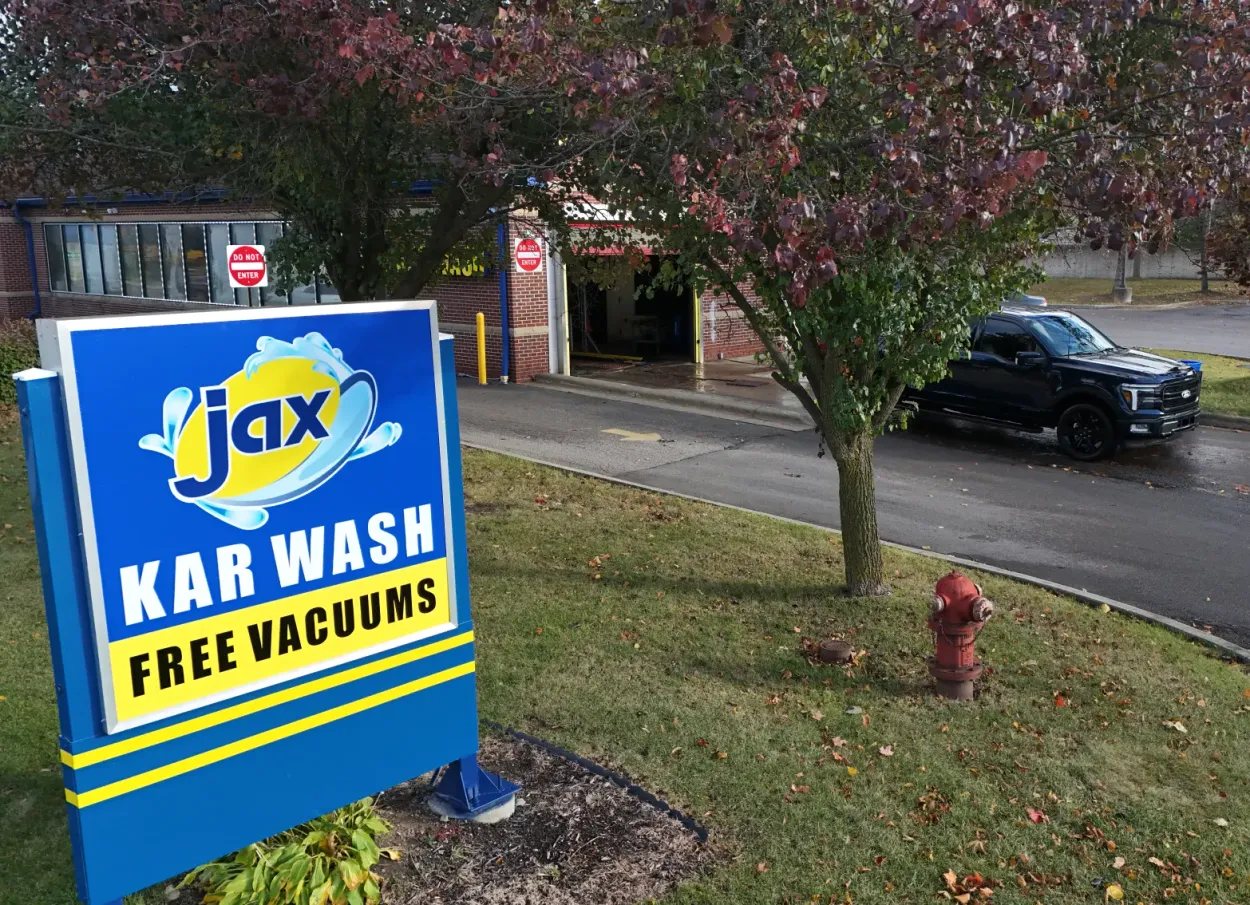
Cover or no cover, it all starts with a clean car. Stop by Jax Kar Wash at 29777 W 9 Mile Rd in Farmington Hills for a quick wash and free vacuums.