 ← BLOG | NEWS ROOM
Do Waterless Car Wash Sprays Work in Winter?
Waterless car wash sprays work in winter on a lightly dusty car, and they fall short on the salt and grit that Michigan roads leave behind.
A waterless spray was made for a thin, dry film of dust. Slush, brine, and road grit are a different kind of dirt, and this guide covers where a spray still helps and where a real wash is the safer call for your paint.
Can a Waterless Car Wash Handle Winter Dirt?
A waterless spray works in winter when the car is only lightly dusty. It coats the dirt in lubricant, and you lift that dirt off with a clean microfiber towel.
That method depends on there being very little dirt to lift. Once the film turns gritty, the towel stops lifting and starts pushing hard particles across the clear coat.
Winter roads around Lenox often leave exactly that gritty film, so the honest answer is that a spray has a narrow job in the cold months.
A waterless wash also does little for the parts of the car that collect the most winter grime. The lower doors and rocker panels sit low enough to catch road spray, and a spray bottle and a towel are a poor match for them.
Why Road Salt and Slush Are Hard on a Waterless Wash
Winter dirt is not dust. It is salt, sand, and gravel held in a wet film that dries onto the doors, the rocker panels, and the lower bumpers.
Those are hard particles, and a waterless spray gives only a thin layer of lubricant between them and the paint. Every pass of the towel presses some of them into the finish.
The damage shows up as swirl marks, a dull haze that is easiest to see in direct light. A regular wash will not take swirl marks out once they are cut in.
Salt adds a second problem, because it holds moisture against the clear coat and any small chips. Rinsing salt off with water is the better move than wiping it off.
Lenox adds its own grit. The gravel shoulders and field edges along 26 Mile Rd leave a gray, sandy film on top of the salt, and that film is abrasive on its own.
Does Cold Weather Change How a Waterless Spray Behaves?
Yes, because most of these products are made for mild weather. A cold panel slows the spray down and can leave streaks or a hazy residue behind.
Moisture is the other issue. Spray that is still wet on a panel below freezing can turn to ice, and dragging a towel across ice is the last thing paint needs.
Check the label for a temperature range before you spray, since it varies by product. If the car is parked outside on a cold day, skip the driveway waterless wash.
A garage that stays above freezing is the one place where a spray makes sense in winter, and even there it only suits a lightly dusty car.
Watch for haze once the spray dries. If the panel looks cloudy, buff it with a second clean, dry towel instead of adding more product.
Where a Waterless Spray Still Earns Its Place in Winter
Use a waterless spray on a car that is mostly dry and carries only a light film. A hood dusted after a few days in the garage is a good example.
It also handles a smudge on a door, a fingerprint on a painted panel, or the dull film that settles on a car that mostly sits.
Spray generously, wipe one panel at a time with a clean side of the towel, and flip the towel often. If the towel feels gritty at any point, stop and rinse the car with water instead.
Keep several clean towels on hand, and retire any towel that has picked up grit. A used towel goes in the laundry, not back on the paint.
Treat the spray as a touch-up between washes. It is not a replacement for a wash after the roads have been salted.
How to Tell a Car Is Too Dirty for a Waterless Wash
Look at the lower half of the car first. Gray salt streaks, a crust on the rocker panels, or splashes of dried slush on the doors all mean the car is past the point of a spray.
A quick test helps too. If dirt is thick enough to see as a raised film or a gritty layer, a towel will drag it, so use water.
The same goes for a car that has been out on gravel or dirt roads. Sand cuts into paint far more easily than it wears down a towel, so the paint takes the damage.
A garaged car that only shows a light haze can often go longer between washes. A car that lives outside on salted roads rarely can.
What to Do Instead When the Salt Builds Up
When salt and slush have built up, rinse with plenty of water before anything touches the paint. That is how our exterior car wash in Lenox works, with enough water up front that the grit is off the panel before the soft contact points reach it.
You stay in your car the whole time, so there is no bucket and hose on a frozen driveway.
After that, a waterless spray is a fine way to handle light dust until the next trip through the wash.
Frequently Asked Questions
Can you use a waterless car wash in freezing temperatures?
Not outdoors, in most cases. The spray can streak or freeze on a cold panel, so check the label for a temperature range and keep the job in a garage that stays above freezing.
Does a waterless wash remove road salt?
Not well. Salt needs water to carry it off the paint, and a towel mostly moves it around while the grit scratches the clear coat.
Is a waterless wash the same as a rinseless wash?
No. A rinseless wash uses a bucket of water with a small amount of concentrate, while a waterless wash is a ready-to-use spray. Neither is a good fit for a car caked in salt.
What should you do between washes when the car is only lightly dirty?
Use a clean microfiber towel and a waterless spray in a garage, one panel at a time. If the towel picks up grit, rinse the car with water instead.
Visit Jax Kar Wash in Lenox
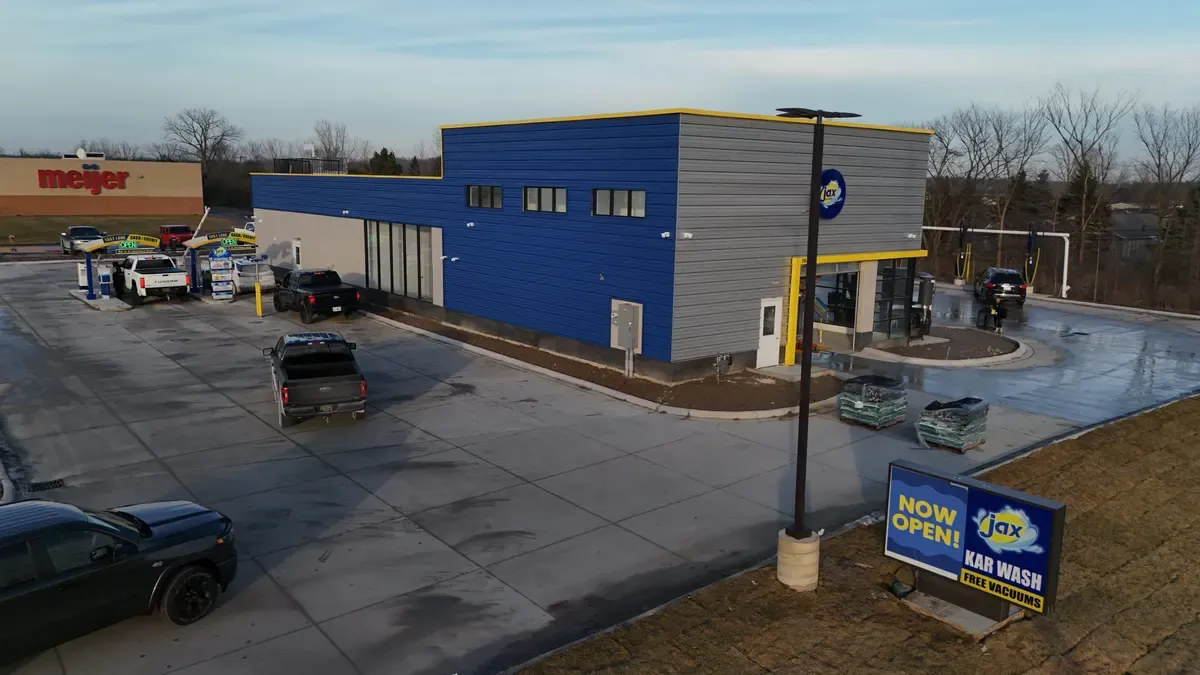
When the salt is thicker than a spray can handle, pull into Jax Kar Wash on 26 Mile Rd in Lenox and finish with the free vacuums after your wash.
Questions about our Lenox location? Call (586) 690-4550 and the team will help.